Courses

TEACHING PROGRAMME

The department actively involves in almost all teaching activities in the Health Campus, both undergraduate and postgraduate programmes. Undergraduate programmes include the MD/dentistry (PPSP) programmes. Postgraduate programmes include Master of Medicines, Master of Community Medicines, Master of Sport Sciences, Master of Pathology (all by course work) and MSc/PhD (by research). Our teaching inputs in various teaching modules cover both basic and clinical aspects of immunology. At the moment, we are the only institution in this country to offer the Master of Pathology (Immunology) programme.

Please click at the various teaching programmes as listed below to know more about our inputs ie. list of topics and specific objective.

UNDERGRADUATE

MD programme 
MD Phase I 
MD Phase II (Year 2 and 3)
MD Phase III (Year 4 & 5)
 

POSTGRADUATE

Postgraduate students (PhD, MSc, M.Med, M.Path)
Master of Medicine (all Medical and Surgical based-programmes)
Master of Pathology (Immunology) 
Master of Sport Science 

Details of our teaching responsibilities for year 2015/2016 can be downloaded here: http://bit.ly/1OnEGMe


Apart from the above teaching inputs, the department has also been involved in various immunology training/exposure. The laboratory is well equipped with necessary instruments and technologies and has a very conducive environment for research activities and industrial training. Every year we always have students from other Schools and Institutions undertaking their practical attachments/industrial training in our laboratory.

For laboratory attachment/posting, industrial training, please contact the Head of Department via Dean of the Medical School.

Details of Test

DETAILS OF TEST

There are 19 diagnostic laboratory tests at our Department described as follows (ISO9001 and ISO15189 certified): 

1. Anti-Nuclear Antibody (ANA)
Type of specimen: Minimum 5 ml of blood in plain tube.

Method/Principle: Immunofluorescence (IF) using HEp-2 substrate.

Interpretation: Positive IF (nucleus) at titre 1/80 or more. IF patterns suggest ANA specificity.

Clinical significance: ANA is a screening test for suspected connective tissue disease. Positive result, especially high titres indicate a possible connective tissue disease. Negative result in 95% to 99% of cases rule out systemic lupus erythematosus (SLE). ANA is also detected (low titre) in other autoimmune diseases such as chronic active hepatitis (CAH), Sjögren’s syndrome, primary biliary cirrhosis (PBC) and rheumatoid arthritis (RA).

Result: Within 8 working days.

Note: If ANA is positive, confirm with test for anti-dsDNA, anti-Sm and anti-RNP for SLE [see Anti- Extractable Nuclear Antigens (ENA)].


2. Anti-Double Stranded DNA (dsDNA)
Type of specimen: Minimum 5 ml of blood in plain tube.

Method/Principle: Enzyme-linked Immunosorbent Assay (ELISA).

Clinical significance: High titre is suggestive of active SLE, however it is negative in 25% of SLE patients.

Result: Within 8 working days.


3. Anti-Smooth Muscle Antibody (ASMA)
Type of specimen: Minimum 5 ml of blood in plain tube.

Method/Principle: Immunofluorescence (IF) using tissue section as substrate.

Interpretation: Positive IF at titre of 1/10 or more.

Clinical significance: High titre of ASMA is detected in patients with autoimmune chronic active hepatitis (CAH) (60-70%), lupoid hepatitis (80%) and other liver diseases including Epstein Barr viral infection.

Result: Within 10 working days.


4. Anti-Mitochondrial Antibody (AMA)

Type of specimen: Minimum 5 ml of blood in plain tube.

Method/Principle: Immunofluorescence (IF) using tissue section as substrate.

Interpretation: Positive IF at titre of 1/10 or more.

Clinical significance: High titre of AMA is detected in 90% patients with primary biliary cirrhosis (PBC) but also found in other liver diseases (low titre), syphilis, connective tissue disorders and myocarditis.

Result: Within 10 working days.

Note: Both AMA & ASMA tests are done together.


5. Extractable Nuclear Antigens (ENA) 

Extractable Nuclear Antigen Antibodies (dsDNA, Nucleosomes, Histones, SmD1, PCNA, RPP/PO, SS-A/Ro 60kD, SS-A/Ro 52 kD, SS-B/La, CENP-B, Scl-70, U1-snRNP, AMA M2, Jo-1, PM-Scl, Mi-2 & Ku)

Type of specimen: Minimum 5 ml of blood in plain tube

Method/Principle: The test is based on the principle of an enzyme immunoassay. The test strip is composed of a membrane fixed on a plastic support. The intensity of the coloration is directly proportional to the amount of antibody present in the sample.
Interpretation: A sample is positive for a specific antibody if the colour intensity of the corresponding Antigen Dot is higher than the intensity of the Negative Control Dot. A sample is negative for a specific antibody if the colour intensity of the corresponding Antigen Dot is lower or equal than the intensity of the Negative Control Dot.

Clinical significance: Anti-Sm is specific for SLE (30-40%), but negative result does not rule out SLE. Anti-RNP is detected in mixed connective tissue diaseses (MCTD) (95-100%) but also in SLE and scleroderma. Anti-SS-A occurs in SLE (25%), Sjogren syndrome (40-50%), congenital complete heart block, cutaneous lupus and is a serologic marker for neonatal lupus. Patients with anti-SS-B most commonly have Sjogren syndrome (23%) and SLE (5-10%) and Sjogren syndrome sicca complex (60%) and neonatal lupus. Anti-Scl-70 occurs in 70% of patients with progressive systemic sclerosis (PSS) and is a specific marker for PSS. Anti-Jo-1 is detected in patients with polymyositis/dermatosytis. Anti-PM-Scl is found in patients with polymyositis and scleroderma. Anti- CENP-A/B is detected in patients with CREST (60%). Anti-PCNA is another specific marker for SLE but is only detected in 5-10% of the patients. Anti-Ku and anti-Mi-2 antibodies are detected in patients with myositis.

Result: Within 5 working days.


6. Anti-Neutrophil Cytoplasmic Antibody (ANCA)

Type of specimen: Minimum 5 ml of blood in plain tube.

Method/Principle: Immunofluorescence (IF) using a monolayer of cells as substrate.

Interpretation: Positive IF at titer of 1/20 or more.

Clinical significance: cytoplasmic (c-ANCA) is detected in patients with Wegener’s granulomatosis, microscopic polyarteritis. Perinuclear (p-ANCA) may occur in polyarteritis nodosa, SLE, severe vasculitis and rheumatoid vasculitis.

Result: Within 10 working days.


7. Anti-Cardiolipin Antibody (ACA)
Type of specimen: Minimum 5 ml of blood in plain tube.

Method/Principle: ELISA

Interpretation: the absorbance values of the samples are multiplied by the Conversion Factor to obtain the anti-cardiolipin antibody concentration in GPL or MPL units.

Clinical significance: Positive anti-cardiolipin Ab is found in patients with repeated abortions associated with SLE, various venous and arterial thrombotic disorders including cerebral infarction, deep venous thrombosis, thrombocytopenia and pulmonary embolism.

Result: Within 10 working days.


8. Alpha-Feto Protein (AFP)

Type of specimen: Minimum 5 ml of blood in plain tube.

Method/Principle: Chemiluminescent Microparticle Immuno Assay (CMIA)

Interpretation: The concentration of AFP directly proportional to the color intensity of the best sample.

Clinical significance: Concentration at >500 ng/ml is detected in chronic liver diseases, acute viral hepatitis and acute liver necrosis while higher concentration (>800 ng/ ml) is suggestive of hepatoma.

Result: Within 10 working days.


9. Urine Pregnancy Test (UPT)

Type of specimen: 20 ml of urine in urine container (preferable early morning urine).

Method/Principle: Immunoblot (strip).

Interpretation: Band formation is compared with the control. 2 bands formation indicate positive result.

Clinical significance: Positive result indicates pregnancy (in pregnancy hCG is increased exponentially for the first 8 weeks, peaks at 10 weeks and start to decline after that until 1/5 of peak level). But very high hCG up to 200,000IU/L suggestive of chrio-epithelioma. hCG can also be detected in other conditions such as persistent trophoblastic diseases, hydatidiform mole, chorioepithelioma of uterus or testis and testicular tumours (monitoring some ovarian and testicular malignancies). False positive UPT can be seen in UTI (urine full of bacteria), proteinuria, hematuria and patient on methadone treatment. False negative UPT maybe found in ectopic pregnancy, toxaemia, foetal death or threatened abortion.

Result: Within 8 working hours.


10. C-Reactive Protein (CRP)

Type of specimen: newborn: 1 ml; paediatric: minimum 1 ml of blood in plain tube; adult: minimum 5 ml of blood in plain tube.

Method/Principle: An immunoturbidimetric test based on microparticles coated with anti-human CRP. The CRP in the sample reacts with the microparticles and the turbidity of the solution is measured by the Quickread instrument.

Interpretation: Values are obtained after comparing with the known value control as a print out.

Clinical significance: Increased level is suggestive of active inflammation in various diseases such as RA, bacteria meningitis, subacute bacterial endocarditis, pyogenic infections, pneumonia, appendicitis, acute myocardial infarct septicaemia etc.

Result: Within 8 working hours.


11. Rheumatoid Factor (RF)

Type of specimen: Minimum 5 ml of blood in plain tube.

Method/Principle: Latex agglutination

Interpretation: Agglutination of latex particles compared to positive control.

Clinical significance: RF is detected in >80% patients with rheumatoid arthritis (RA). It is also detected in other diseases such as SLE, Sjogren’s syndrome, chronic infections (infective endocarditis & tuberculosis).

Result: Within 8 working hours.


12. Serum Complement Components (C3, C4)

Type of specimen: Minimum 5 ml of blood in plain tube.

Method/Principle: Nephelometer/protein analyser

Interpretation: Values are obtained after comparing with the known value control as a print out.

Clinical significance: High level of C3 can occur in inflammatory diseases (due to activation). Low level is found in SLE, acute post-streptococcal glomerulonephritis, hereditary deficiency and severe liver disease. Low level of C4 in found in SLE, hereditary angioedema and hereditary deficiency states.

Result: Within 18 working hours.


13. Serum Immunoglobulins Levels (Ig G, A, M classes)

Type of specimen: Minimum 5 ml of blood in plain tube.

Method/Principle: Nephelometer/protein analyser

Interpretation: Values are obtained after comparing with known value control as a print out and compare with the normal range.

Clinical significance: In general, serum Ig quantitation is useful is cases like suspected immunoglobulin deficiencies, liver diseases and chronic infections. Decreased level of IgG is found in protein losing states, chronic steroid usage, and primary immunodeficiency. Increased IgG level is detected in chronic inflammatory states, lymphoma, myeloma and immune complex diseases. Levels of IgA are low in immunodeficiency states but high in viral infection (poliomyelitis) and autoimmune diseases involving skin and colon. Increased level of IgM is found in various chronic inflammatory diseases such as RA, PBC as well as in lymphoproliferative disorders. Increased level of IgM in neonate is suggestive of in-utero infection. Decreased level of both IgG and IgA can occur in nephrotic syndrome, burn and protein losing gastroenteropathy. Pan-hypergammaglobulinemia can also occur in SLE..

Result: Within 18 working hours.

Note: Initial screening/evaluation of immunodeficiency include tests for immunoglobulin levels, lymphocyte immunophenotyping, complement quantitation and phagocytic cell functions.


14. Allergen-specific IgE Assay

Type of specimen: minimum 5 ml blood in plain bottle.

Method/principle: Patients samples, calibrators and controls are incubated with the allergen. After washing, all these solid phase are incubated with a conjugate. After another series of washing, a flurogenic substrate is incubated with these solid phase and then stop solution is added. The end points are read by fluorometry. The standard curve is generated. Calibration data are fit and control values are interpolated on the standard curve.

Clinical Significance: Assessing the level of allergen specific IgE in a Patients’ serum in conjunction with a clinical evaluation based on patient history. This will help the clinician to confirm a diagnosis of allergy and assist in the treatment of the patient.Result: within 5 working days.

Result: Within 8 working days


15. HLA Typing Test

Type of specimen: minimum 10 ml of blood in EDTA bottle

Method/Principle: Extraction of genomic DNA from the mononuclear cells followed by  low-resolution  sequence-specific primer amplification (PCR- SSP).Primer pairs are designed to have perfect matches only with a single allele or group of alleles.  The perfectly  matched primer pairs result in the amplification of target sequences while mismatched primer pairs do not result in amplification.

Interpretation: The presence or absence of appropriately sized bands will be assessed and analyzed using worksheet.  The results of molecular typing were converted to the serologically   stablished  HLA  phenotypic equivalents.

Clinical Significance: Pre-requisite for organ especially bone marraw transplantation in order to find matched donor.   Tissue typing is done for HLA class I (HLA-A, HLA-B, HLA-C) and class II  (HLA-DR, HLA-DQ).

Result:  3 months
 
Note: An appointment with the Laboratory is essential for this test. Blood sample of donors and recipient need to be send together.   For donors HLA class II wil be typed first, if DR locus is matched, then  proceed for HLA class I


16. TBNK for HIV Positive & Immunodeficiency

Type of specimen: paediatric - 3 ml of fresh anti-coagulated blood in EDTA container; adult – 5 ml fresh anti-coagulated blood in EDTA container.

Method/Principle: Flow cytometry using monoclonal antibody against various lymphocyte subpopulations.

Interpretation: Percentage of cells with positive staining.

Clinical significance: Lymphocyte immunophenotyping is mainly done to support diagnosis of AIDS/HIV infection (low CD4 population (<200 cells/ul of blood is characteristic of AIDS). Lymphocyte counts are also useful for B & T cells deficiencies.

Result: Within 8 working hours. 

Note: An appointment with the Laboratory is essential for this test (at least one day earlier). All  specimen must arrive at Immunology Laboratory before 12pm and within 4 hours of collection. 


17. Anti-Cyclic Citrullinated Peptide Antibody

Type of specimen: Minimum 5 ml of blood in plain container.

Method/Principle: FEIA (Fluorescent enzyme immunoassay).

Interpretation: Test is considered positive if the antibody titre was greater than 12 IU/ml.

Clinical significance: Highly specific marker with comparable sensitivity for rheumatoid arthritis compared to RF.

Results: 10 working days.

18. Neutrophil Function Test

Type of specimen: Paediatrics: 1 ml of fresh blood in heparinised tube

Method/Principle: Flow cytometry

Interpretation: Percentage of oxidative burst activity of granulocyte (%) and stimulation index (SI)

Clinical significance: Chronic granulomatous diseases and primary immunodeficiency disorders. 

Results: Within 1 working day.

Note: An appointment with the Laboratory is essential for this test (at least one day earlier). All specimen must arrive at Immunology Laboratory before 12pm and within 4 hours of collection.

19. T Cell Proliferation Test (CFSE; for SCID diagnosis)

Type of specimen: Suspected patient: At least 2 ml of fresh blood in sodium heparin tube (green-top) AND healthy control (at least 2 ml of fresh blood in sodium heparin tube)

Method/Principle: Flow cytometry (CFSE)

Interpretation: Percentage of T cells that proliferate in the suspected patient compared with healthy control samples. 

Clinical significance: Severe combined immunodeficiency (SCID) and other primary immunodeficiency disorders. 

Results: Within 7 working days.

Note: An appointment with the Laboratory is essential for this test (at least one day earlier). All specimen must arrive at Immunology Laboratory before 10am and within 24 hours of collection.

 
Disposal of clinical specimen waste
When result of the test has been confirmed and released, the clinical specimens will be disposed. The waste is kept in the biohazard bag and collected by authorized personnel (i.e. Redicare Company). Results are traceable via phone during office hours at ext 4000 and Laboratory Information System (LIS). 

Inquiries regarding Immunological Lab Tests can be forwarded to our clinicians:

- Dr. Nurul Khaiza Yahya (This email address is being protected from spambots. You need JavaScript enabled to view it.; ext. 6224)
- Dr. Noor Suryani Mohd Ashari (This email address is being protected from spambots. You need JavaScript enabled to view it., ext. 6225)
- Dr. Wan Majdiah Wan Mohamad (This email address is being protected from spambots. You need JavaScript enabled to view it. ext. 5851) 
- Dr. Nur Diyana Mohd Shukri (This email address is being protected from spambots. You need JavaScript enabled to view it., ext. 6222)

Inquiries regarding T Cell Proliferation Test (CFSE) can be forwarded to our laboratory immunologist: 

- Assoc. Prof. Dr. Wong Kah Keng (This email address is being protected from spambots. You need JavaScript enabled to view it.; ext. 6226)


QUICK LINK

6.09947385,102.28285600705948

Read more …Details of Test

Details of Test

There are 19 diagnostic laboratory tests at our Department described as follows (ISO9001 and ISO15189 certified): 

1. Anti-Nuclear Antibody (ANA)
Type of specimen: Minimum 5 ml of blood in plain tube.

Method/Principle: Immunofluorescence (IF) using HEp-2 substrate.

Interpretation: Positive IF (nucleus) at titre 1/80 or more. IF patterns suggest ANA specificity.

Clinical significance: ANA is a screening test for suspected connective tissue disease. Positive result, especially high titres indicate a possible connective tissue disease. Negative result in 95% to 99% of cases rule out systemic lupus erythematosus (SLE). ANA is also detected (low titre) in other autoimmune diseases such as chronic active hepatitis (CAH), Sjögren’s syndrome, primary biliary cirrhosis (PBC) and rheumatoid arthritis (RA).

Result: Within 8 working days.

Note: If ANA is positive, confirm with test for anti-dsDNA, anti-Sm and anti-RNP for SLE [see Anti- Extractable Nuclear Antigens (ENA)].


2. Anti-Double Stranded DNA (dsDNA)
Type of specimen: Minimum 5 ml of blood in plain tube.

Method/Principle: Enzyme-linked Immunosorbent Assay (ELISA).

Clinical significance: High titre is suggestive of active SLE, however it is negative in 25% of SLE patients.

Result: Within 8 working days.


3. Anti-Smooth Muscle Antibody (ASMA)
Type of specimen: Minimum 5 ml of blood in plain tube.

Method/Principle: Immunofluorescence (IF) using tissue section as substrate.

Interpretation: Positive IF at titre of 1/10 or more.

Clinical significance: High titre of ASMA is detected in patients with autoimmune chronic active hepatitis (CAH) (60-70%), lupoid hepatitis (80%) and other liver diseases including Epstein Barr viral infection.

Result: Within 10 working days.


4. Anti-Mitochondrial Antibody (AMA)

Type of specimen: Minimum 5 ml of blood in plain tube.

Method/Principle: Immunofluorescence (IF) using tissue section as substrate.

Interpretation: Positive IF at titre of 1/10 or more.

Clinical significance: High titre of AMA is detected in 90% patients with primary biliary cirrhosis (PBC) but also found in other liver diseases (low titre), syphilis, connective tissue disorders and myocarditis.

Result: Within 10 working days.

Note: Both AMA & ASMA tests are done together.


5. Extractable Nuclear Antigens (ENA) 

Extractable Nuclear Antigen Antibodies (dsDNA, Nucleosomes, Histones, SmD1, PCNA, RPP/PO, SS-A/Ro 60kD, SS-A/Ro 52 kD, SS-B/La, CENP-B, Scl-70, U1-snRNP, AMA M2, Jo-1, PM-Scl, Mi-2 & Ku)

Type of specimen: Minimum 5 ml of blood in plain tube

Method/Principle: The test is based on the principle of an enzyme immunoassay. The test strip is composed of a membrane fixed on a plastic support. The intensity of the coloration is directly proportional to the amount of antibody present in the sample.
Interpretation: A sample is positive for a specific antibody if the colour intensity of the corresponding Antigen Dot is higher than the intensity of the Negative Control Dot. A sample is negative for a specific antibody if the colour intensity of the corresponding Antigen Dot is lower or equal than the intensity of the Negative Control Dot.

Clinical significance: Anti-Sm is specific for SLE (30-40%), but negative result does not rule out SLE. Anti-RNP is detected in mixed connective tissue diaseses (MCTD) (95-100%) but also in SLE and scleroderma. Anti-SS-A occurs in SLE (25%), Sjogren syndrome (40-50%), congenital complete heart block, cutaneous lupus and is a serologic marker for neonatal lupus. Patients with anti-SS-B most commonly have Sjogren syndrome (23%) and SLE (5-10%) and Sjogren syndrome sicca complex (60%) and neonatal lupus. Anti-Scl-70 occurs in 70% of patients with progressive systemic sclerosis (PSS) and is a specific marker for PSS. Anti-Jo-1 is detected in patients with polymyositis/dermatosytis. Anti-PM-Scl is found in patients with polymyositis and scleroderma. Anti- CENP-A/B is detected in patients with CREST (60%). Anti-PCNA is another specific marker for SLE but is only detected in 5-10% of the patients. Anti-Ku and anti-Mi-2 antibodies are detected in patients with myositis.

Result: Within 5 working days.


6. Anti-Neutrophil Cytoplasmic Antibody (ANCA)

Type of specimen: Minimum 5 ml of blood in plain tube.

Method/Principle: Immunofluorescence (IF) using a monolayer of cells as substrate.

Interpretation: Positive IF at titer of 1/20 or more.

Clinical significance: cytoplasmic (c-ANCA) is detected in patients with Wegener’s granulomatosis, microscopic polyarteritis. Perinuclear (p-ANCA) may occur in polyarteritis nodosa, SLE, severe vasculitis and rheumatoid vasculitis.

Result: Within 10 working days.


7. Anti-Cardiolipin Antibody (ACA)
Type of specimen: Minimum 5 ml of blood in plain tube.

Method/Principle: ELISA

Interpretation: the absorbance values of the samples are multiplied by the Conversion Factor to obtain the anti-cardiolipin antibody concentration in GPL or MPL units.

Clinical significance: Positive anti-cardiolipin Ab is found in patients with repeated abortions associated with SLE, various venous and arterial thrombotic disorders including cerebral infarction, deep venous thrombosis, thrombocytopenia and pulmonary embolism.

Result: Within 10 working days.


8. Alpha-Feto Protein (AFP)

Type of specimen: Minimum 5 ml of blood in plain tube.

Method/Principle: Chemiluminescent Microparticle Immuno Assay (CMIA)

Interpretation: The concentration of AFP directly proportional to the color intensity of the best sample.

Clinical significance: Concentration at >500 ng/ml is detected in chronic liver diseases, acute viral hepatitis and acute liver necrosis while higher concentration (>800 ng/ ml) is suggestive of hepatoma.

Result: Within 10 working days.


9. Urine Pregnancy Test (UPT)

Type of specimen: 20 ml of urine in urine container (preferable early morning urine).

Method/Principle: Immunoblot (strip).

Interpretation: Band formation is compared with the control. 2 bands formation indicate positive result.

Clinical significance: Positive result indicates pregnancy (in pregnancy hCG is increased exponentially for the first 8 weeks, peaks at 10 weeks and start to decline after that until 1/5 of peak level). But very high hCG up to 200,000IU/L suggestive of chrio-epithelioma. hCG can also be detected in other conditions such as persistent trophoblastic diseases, hydatidiform mole, chorioepithelioma of uterus or testis and testicular tumours (monitoring some ovarian and testicular malignancies). False positive UPT can be seen in UTI (urine full of bacteria), proteinuria, hematuria and patient on methadone treatment. False negative UPT maybe found in ectopic pregnancy, toxaemia, foetal death or threatened abortion.

Result: Within 8 working hours.


10. C-Reactive Protein (CRP)

Type of specimen: newborn: 1 ml; paediatric: minimum 1 ml of blood in plain tube; adult: minimum 5 ml of blood in plain tube.

Method/Principle: An immunoturbidimetric test based on microparticles coated with anti-human CRP. The CRP in the sample reacts with the microparticles and the turbidity of the solution is measured by the Quickread instrument.

Interpretation: Values are obtained after comparing with the known value control as a print out.

Clinical significance: Increased level is suggestive of active inflammation in various diseases such as RA, bacteria meningitis, subacute bacterial endocarditis, pyogenic infections, pneumonia, appendicitis, acute myocardial infarct septicaemia etc.

Result: Within 8 working hours.


11. Rheumatoid Factor (RF)

Type of specimen: Minimum 5 ml of blood in plain tube.

Method/Principle: Latex agglutination

Interpretation: Agglutination of latex particles compared to positive control.

Clinical significance: RF is detected in >80% patients with rheumatoid arthritis (RA). It is also detected in other diseases such as SLE, Sjogren’s syndrome, chronic infections (infective endocarditis & tuberculosis).

Result: Within 8 working hours.


12. Serum Complement Components (C3, C4)

Type of specimen: Minimum 5 ml of blood in plain tube.

Method/Principle: Nephelometer/protein analyser

Interpretation: Values are obtained after comparing with the known value control as a print out.

Clinical significance: High level of C3 can occur in inflammatory diseases (due to activation). Low level is found in SLE, acute post-streptococcal glomerulonephritis, hereditary deficiency and severe liver disease. Low level of C4 in found in SLE, hereditary angioedema and hereditary deficiency states.

Result: Within 18 working hours.


13. Serum Immunoglobulins Levels (Ig G, A, M classes)

Type of specimen: Minimum 5 ml of blood in plain tube.

Method/Principle: Nephelometer/protein analyser

Interpretation: Values are obtained after comparing with known value control as a print out and compare with the normal range.

Clinical significance: In general, serum Ig quantitation is useful is cases like suspected immunoglobulin deficiencies, liver diseases and chronic infections. Decreased level of IgG is found in protein losing states, chronic steroid usage, and primary immunodeficiency. Increased IgG level is detected in chronic inflammatory states, lymphoma, myeloma and immune complex diseases. Levels of IgA are low in immunodeficiency states but high in viral infection (poliomyelitis) and autoimmune diseases involving skin and colon. Increased level of IgM is found in various chronic inflammatory diseases such as RA, PBC as well as in lymphoproliferative disorders. Increased level of IgM in neonate is suggestive of in-utero infection. Decreased level of both IgG and IgA can occur in nephrotic syndrome, burn and protein losing gastroenteropathy. Pan-hypergammaglobulinemia can also occur in SLE..

Result: Within 18 working hours.

Note: Initial screening/evaluation of immunodeficiency include tests for immunoglobulin levels, lymphocyte immunophenotyping, complement quantitation and phagocytic cell functions.


14. Allergen-specific IgE Assay

Type of specimen: minimum 5 ml blood in plain bottle.

Method/principle: Patients samples, calibrators and controls are incubated with the allergen. After washing, all these solid phase are incubated with a conjugate. After another series of washing, a flurogenic substrate is incubated with these solid phase and then stop solution is added. The end points are read by fluorometry. The standard curve is generated. Calibration data are fit and control values are interpolated on the standard curve.

Clinical Significance: Assessing the level of allergen specific IgE in a Patients’ serum in conjunction with a clinical evaluation based on patient history. This will help the clinician to confirm a diagnosis of allergy and assist in the treatment of the patient.Result: within 5 working days.

Result: Within 8 working days


15. HLA Typing Test

Type of specimen: minimum 10 ml of blood in EDTA bottle

Method/Principle: Extraction of genomic DNA from the mononuclear cells followed by  low-resolution  sequence-specific primer amplification (PCR- SSP).Primer pairs are designed to have perfect matches only with a single allele or group of alleles.  The perfectly  matched primer pairs result in the amplification of target sequences while mismatched primer pairs do not result in amplification.

Interpretation: The presence or absence of appropriately sized bands will be assessed and analyzed using worksheet.  The results of molecular typing were converted to the serologically   stablished  HLA  phenotypic equivalents.

Clinical Significance: Pre-requisite for organ especially bone marraw transplantation in order to find matched donor.   Tissue typing is done for HLA class I (HLA-A, HLA-B, HLA-C) and class II  (HLA-DR, HLA-DQ).

Result:  3 months
 
Note: An appointment with the Laboratory is essential for this test. Blood sample of donors and recipient need to be send together.   For donors HLA class II wil be typed first, if DR locus is matched, then  proceed for HLA class I


16. TBNK for HIV Positive & Immunodeficiency

Type of specimen: paediatric - 3 ml of fresh anti-coagulated blood in EDTA container; adult – 5 ml fresh anti-coagulated blood in EDTA container.

Method/Principle: Flow cytometry using monoclonal antibody against various lymphocyte subpopulations.

Interpretation: Percentage of cells with positive staining.

Clinical significance: Lymphocyte immunophenotyping is mainly done to support diagnosis of AIDS/HIV infection (low CD4 population (<200 cells/ul of blood is characteristic of AIDS). Lymphocyte counts are also useful for B & T cells deficiencies.

Result: Within 8 working hours. 

Note: An appointment with the Laboratory is essential for this test (at least one day earlier). All  specimen must arrive at Immunology Laboratory before 12pm and within 4 hours of collection. 


17. Anti-Cyclic Citrullinated Peptide Antibody

Type of specimen: Minimum 5 ml of blood in plain container.

Method/Principle: FEIA (Fluorescent enzyme immunoassay).

Interpretation: Test is considered positive if the antibody titre was greater than 12 IU/ml.

Clinical significance: Highly specific marker with comparable sensitivity for rheumatoid arthritis compared to RF.

Results: 10 working days.

18. Neutrophil Function Test

Type of specimen: Paediatrics: 1 ml of fresh blood in heparinised tube

Method/Principle: Flow cytometry

Interpretation: Percentage of oxidative burst activity of granulocyte (%) and stimulation index (SI)

Clinical significance: Chronic granulomatous diseases and primary immunodeficiency disorders. 

Results: Within 1 working day.

Note: An appointment with the Laboratory is essential for this test (at least one day earlier). All specimen must arrive at Immunology Laboratory before 12pm and within 4 hours of collection.

19. T Cell Proliferation Test (CFSE; for SCID diagnosis)

Type of specimen: Suspected patient: At least 2 ml of fresh blood in sodium heparin tube (green-top) AND healthy control (at least 2 ml of fresh blood in sodium heparin tube)

Method/Principle: Flow cytometry (CFSE)

Interpretation: Percentage of T cells that proliferate in the suspected patient compared with healthy control samples. 

Clinical significance: Severe combined immunodeficiency (SCID) and other primary immunodeficiency disorders. 

Results: Within 7 working days.

Note: An appointment with the Laboratory is essential for this test (at least one day earlier). All specimen must arrive at Immunology Laboratory before 10am and within 24 hours of collection.

 
Disposal of clinical specimen waste
When result of the test has been confirmed and released, the clinical specimens will be disposed. The waste is kept in the biohazard bag and collected by authorized personnel (i.e. Redicare Company). Results are traceable via phone during office hours at ext 4000 and Laboratory Information System (LIS). 

Inquiries regarding Immunological Lab Tests can be forwarded to our clinicians:

- Dr. Nurul Khaiza Yahya (This email address is being protected from spambots. You need JavaScript enabled to view it.; ext. 6224)
- Dr. Noor Suryani Mohd Ashari (This email address is being protected from spambots. You need JavaScript enabled to view it., ext. 6225)
- Dr. Wan Majdiah Wan Mohamad (This email address is being protected from spambots. You need JavaScript enabled to view it. ext. 5851) 
- Dr. Nur Diyana Mohd Shukri (This email address is being protected from spambots. You need JavaScript enabled to view it., ext. 6222)

Inquiries regarding T Cell Proliferation Test (CFSE) can be forwarded to our laboratory immunologist: 

- Assoc. Prof. Dr. Wong Kah Keng (This email address is being protected from spambots. You need JavaScript enabled to view it.; ext. 6226)

Mission and Vision

MISSION AND VISION

Immunology started as a branch of microbiology; the study of the body's responses to infection. Over several years, it has progressively spread out into all of the basic and clinical aspects of medical sciences such as rheumatology, allergy, immunohistopathology, immunopharmacology, immunoendocrinology, psychoneuroimmunology, immunohaematology, paediatric immunology, reproductive immunology, tumor immunology and transplantation immunology as well as immunotherapy.

The establishment of the Department of Immunology at School of Medical Sciences (PPSP) in 1981 was driven by the desire to explore the full potentials of the field of immunology (the study of the immune system) in teaching, research and clinical laboratory services, and ultimately treatment of patients particularly with immunologically-mediated diseases. We are proud to be the only Department of Immunology in this country.

Apart from generating diagnostic laboratory results, in the era of research university, we wish to contribute towards achieving the targets/KPI of the Accelerated Program for Excellent (APEX) by involving actively in research projects, publications and training postgraduate students in research. 

QUICK LINK

6.09947385,102.28285600705948

Read more …Mission and Vision

HOME


Department of Immunology


Welcome to the Department of Immunology, School of Medical Sciences, Universiti Sains Malaysia (USM). Our department delves into the intricate workings of the immune system, unravelling its complexities and harnessing its power to combat disease and promote health.

Our department serves as a nexus for discovery, education, and clinical application. Our expertise spans a wide range of areas including:

Diagnostics

We specialise in advanced laboratory tests crucial for the diagnosis and management of:

  • Autoimmune diseases

  • Allergies

  • HLA typing for bone marrow transplant patients

  • Evaluation of immunodeficiencies, including:

    • HIV/AIDS patients

    • Primary immunodeficiencies

Research

Our research endeavours focus on both fundamental and translational aspects of:

  • Autoimmunity

  • Allergies

  • Vaccinology

  • Tumour immunology


Education

We are committed to nurturing the next generation of immunologists. Our programmes offer:

  • Hands-on laboratory experience and novel analytical techniques

  • Mentorship from leading experts in the field

  • Opportunities to contribute to groundbreaking research

  • A collaborative environment that fosters innovation and critical thinking


The principles that govern the body's immune system is complex. Hence, we aim to determine these underlying principles and to uncover how they give rise to various immunological disorders such as autoimmunity, allergies, immunodeficiencies, as well as vaccines against infectious diseases and determining novel targets for cancer immunotherapies.

All these will not be possible without novel approaches to data analytics, innovative methods, and most importantly, research collaborations. Our discoveries will be part of the broader picture to understanding the body's defense mechanisms. These are with hopes to developing therapies to treat immunological disorders, as well as to leverage the incredible properties of our immune system to combat diseases. Thus, join us in this exciting journey to unlock the secrets of the body's protection mechanisms.


QUICK LINKS

NEWS & ACTIVITIES

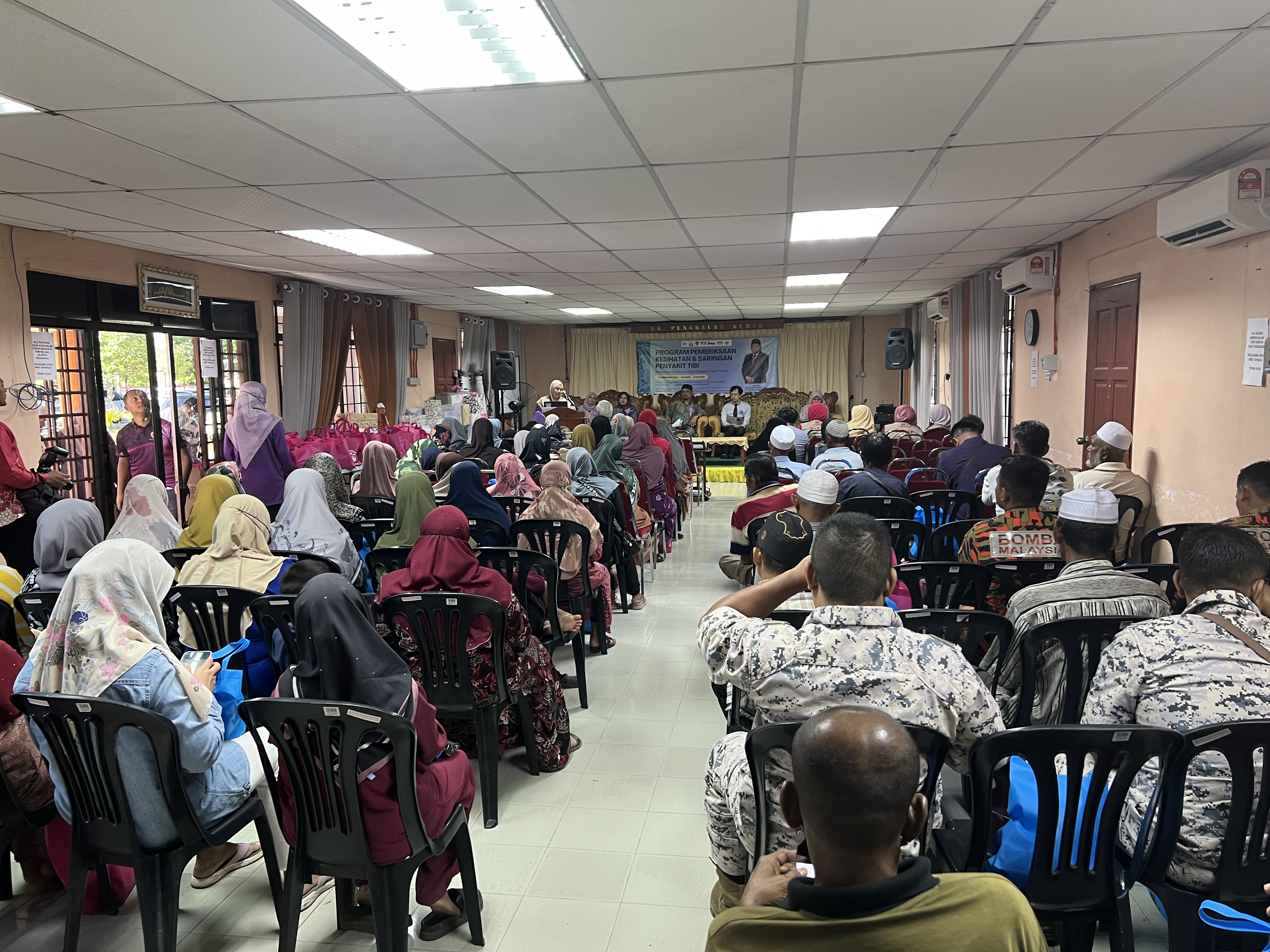
  • Program Pemeriksaan Kesihatan & Saringa Penyakit TB

    Read more

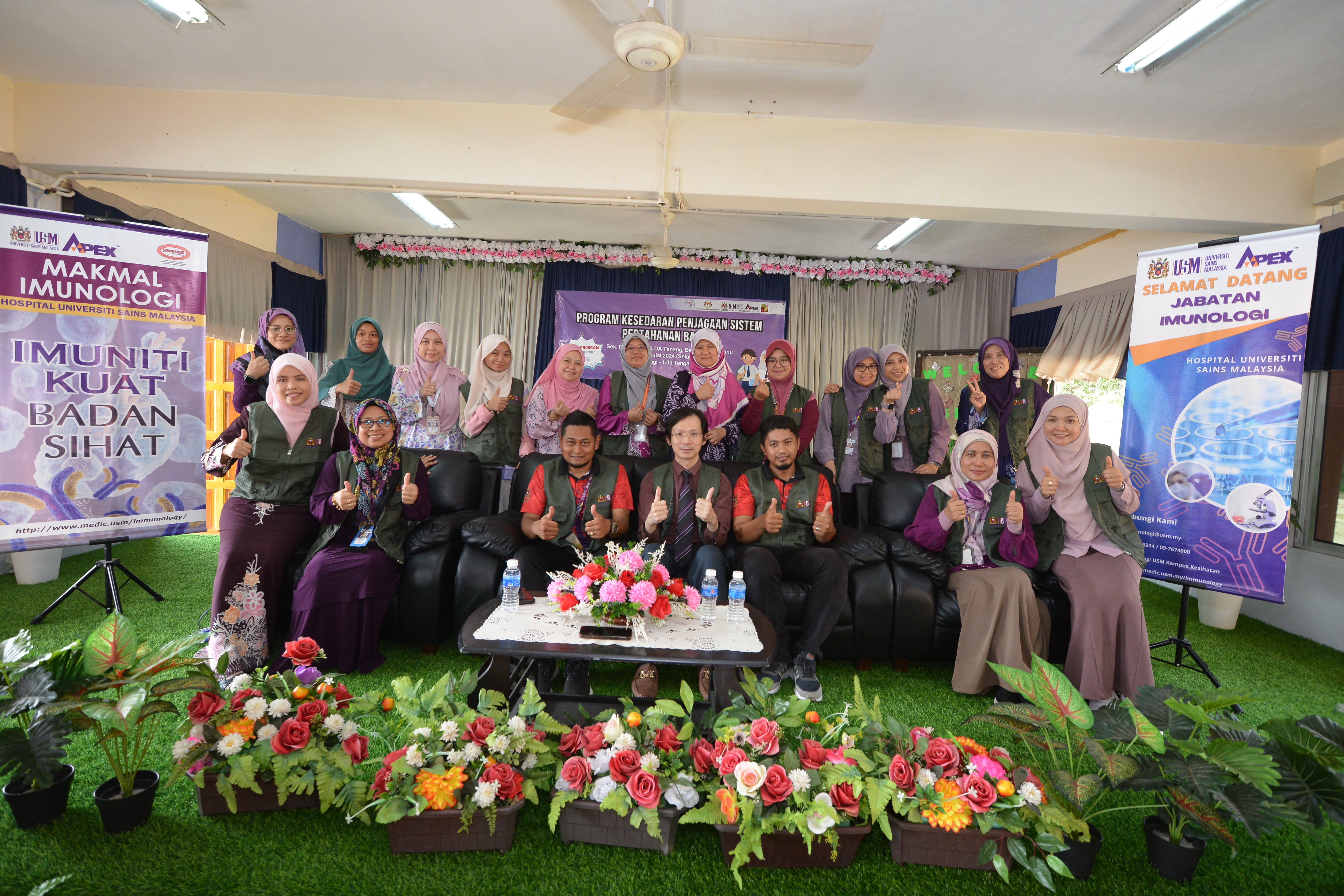
  • Program Kesedaran Penjagaan Sistem Pertahanan Badan

    Read more

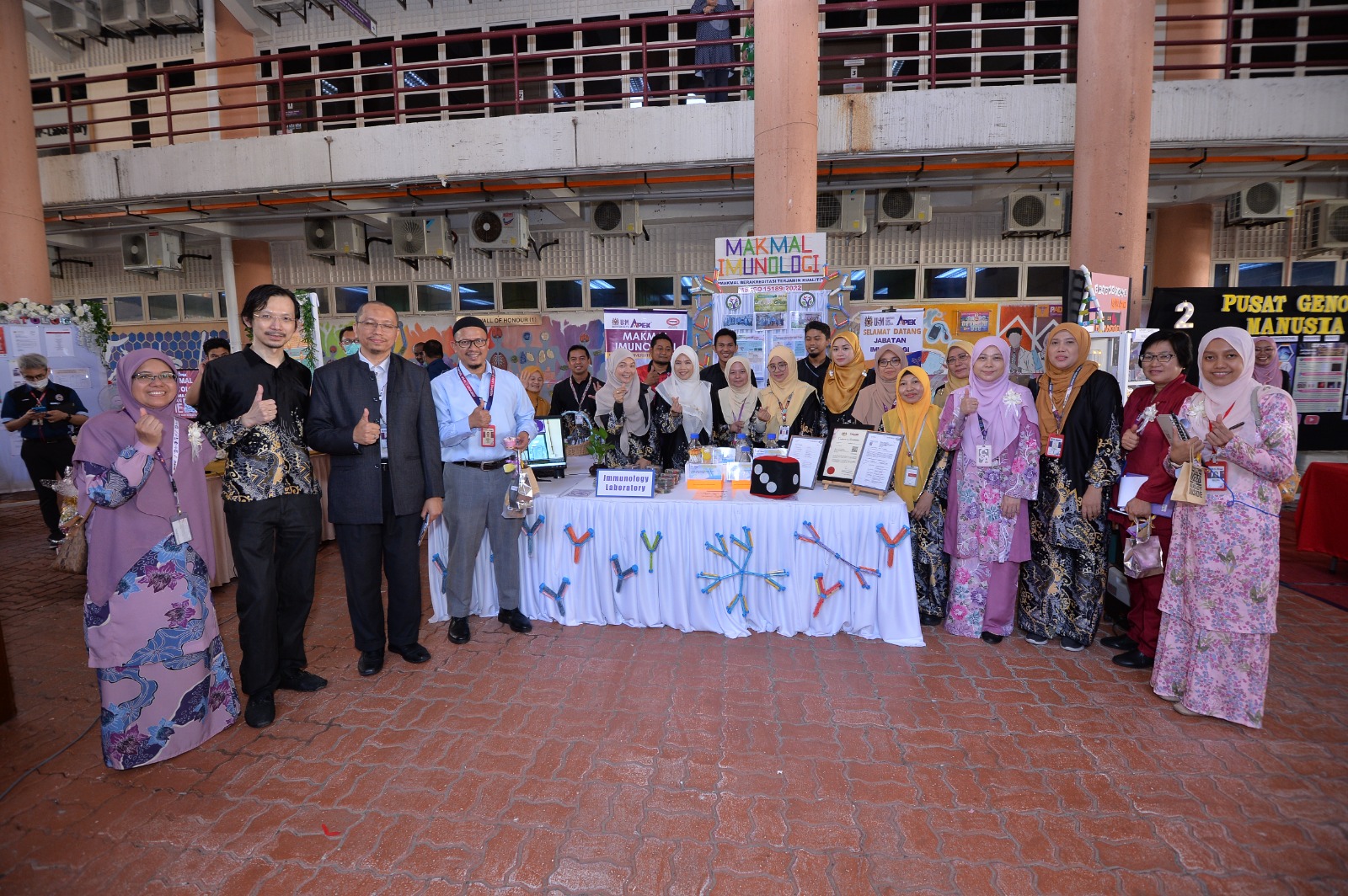
  • Hari Bersama Pelanggan Makmal Makmal Hospital USM 2024

    Read more

  • PhD Vacancy at Dept of Immunology

    Read more


Read more …HOME