Pediatric Advanced Life Support (PALS) Training
Pediatric Advanced Life Support (PALS) Training
Pediatric Advanced Life Support (PALS) Training
Date: 11 November 2025
Category: Community Engagement | Staff Awareness
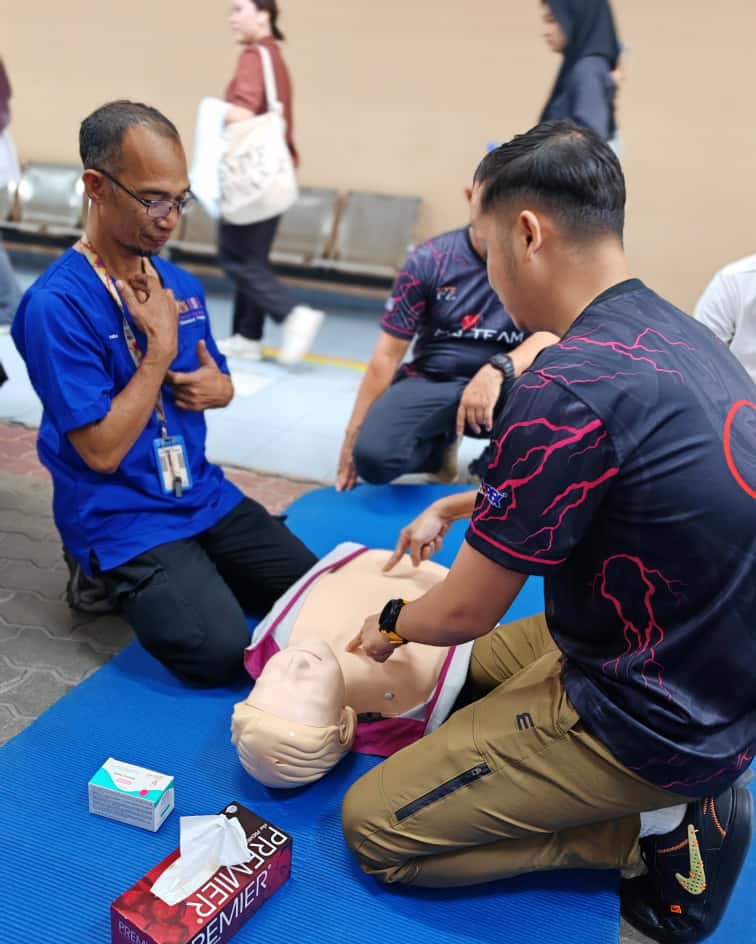
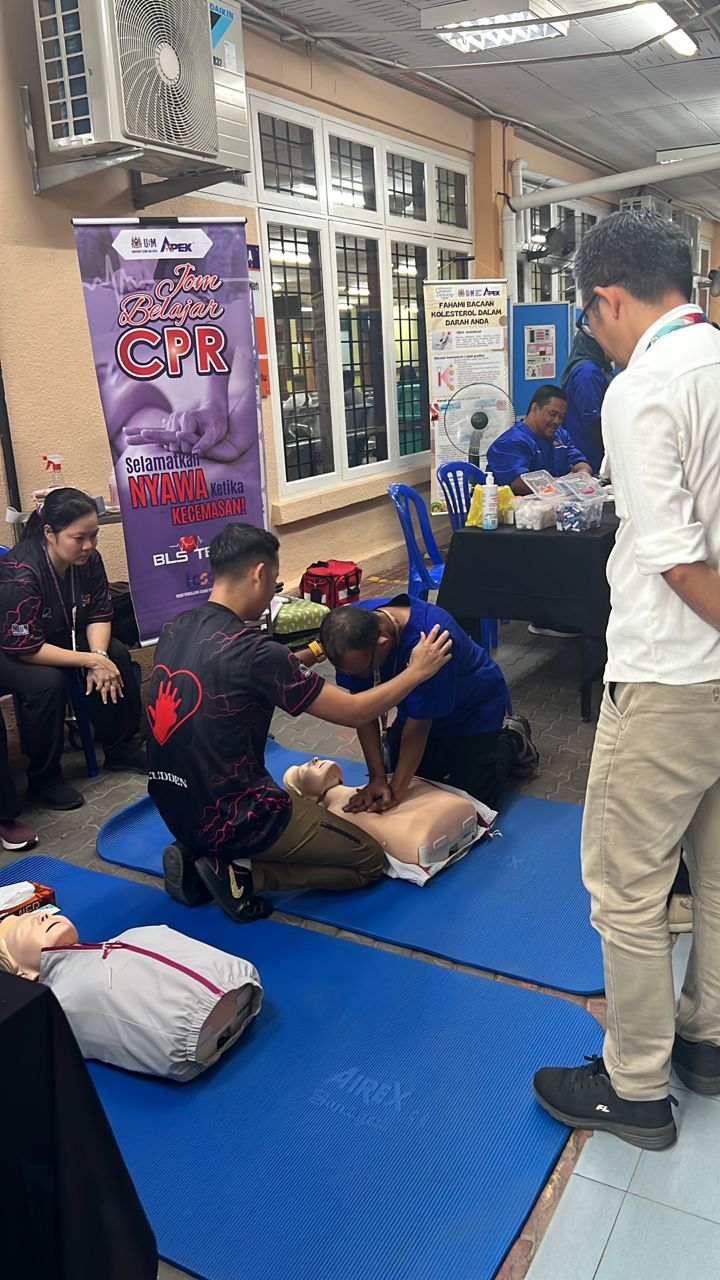
The Integrated Clinical Simulation Centre (i‑CSC) participated in the World Radiography Day celebration by conducting a Basic Life Support (BLS) awareness and hands‑on training booth for staff and visitors. This engagement aimed to strengthen emergency preparedness among radiographers, clinical support teams, and the wider community who attended the event.
The booth focused on equipping participants with essential lifesaving skills through interactive demonstration and guided practice sessions. High‑fidelity adult and infant manikins were used to simulate realistic CPR and choking scenarios, enabling participants to practise proper techniques and receive immediate feedback.
Facilitators from i‑CSC provided structured coaching throughout the session, ensuring that all participants — regardless of clinical background — gained confidence in performing basic life‑saving skills. This activity complemented the objectives of World Radiography Day by promoting patient safety awareness and encouraging multidisciplinary readiness in emergency situations.
Through this BLS booth, i‑CSC continues to support hospital initiatives and community outreach by advocating for simulation‑based learning and improving public confidence in emergency responses.
Date: 21 June 2025
Category: Training & Workshop Programmes | Undergraduate Education
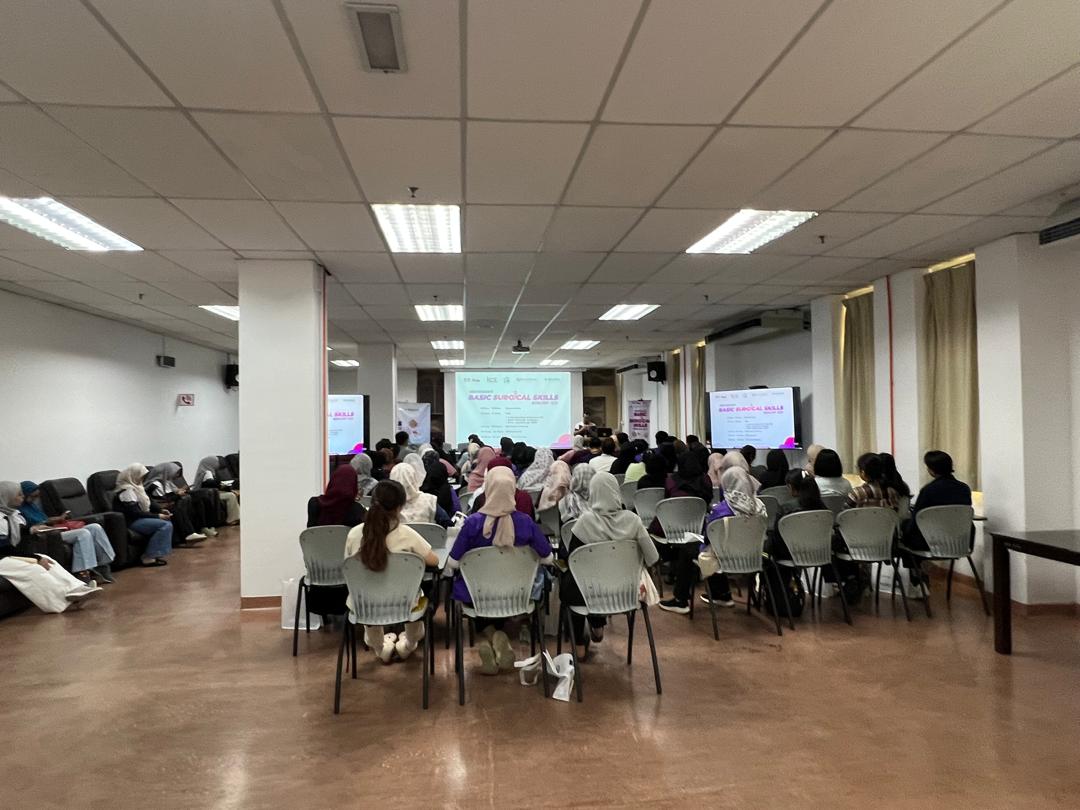
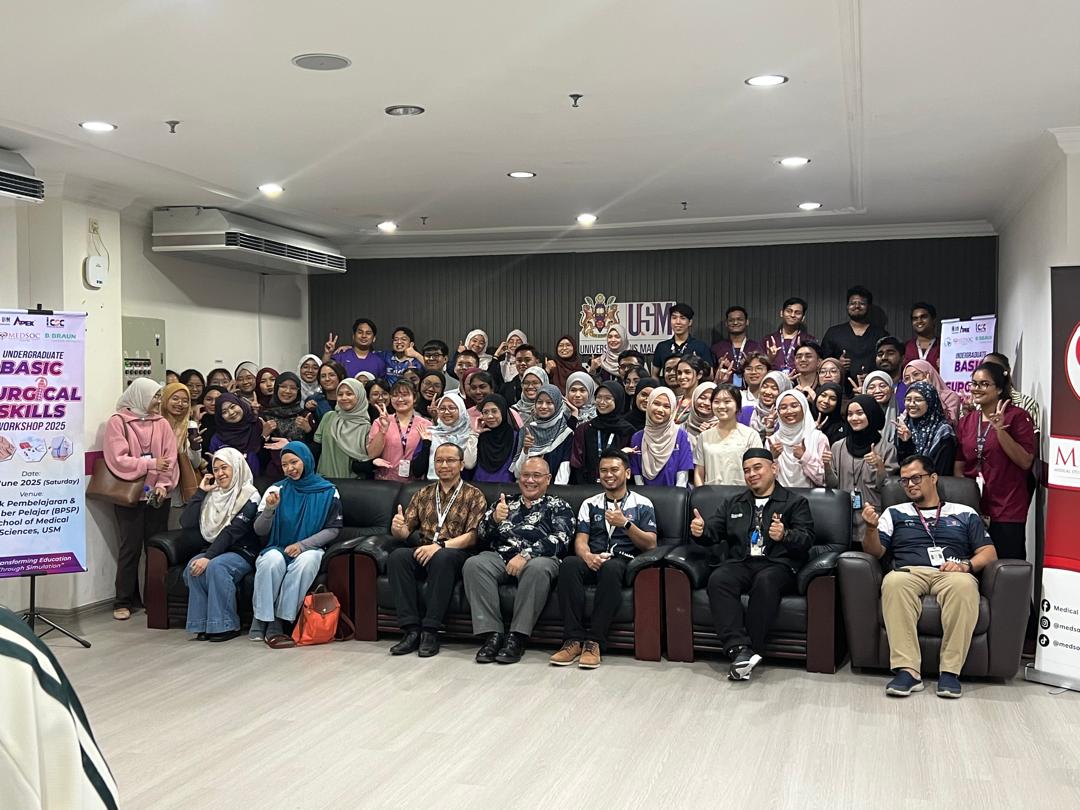
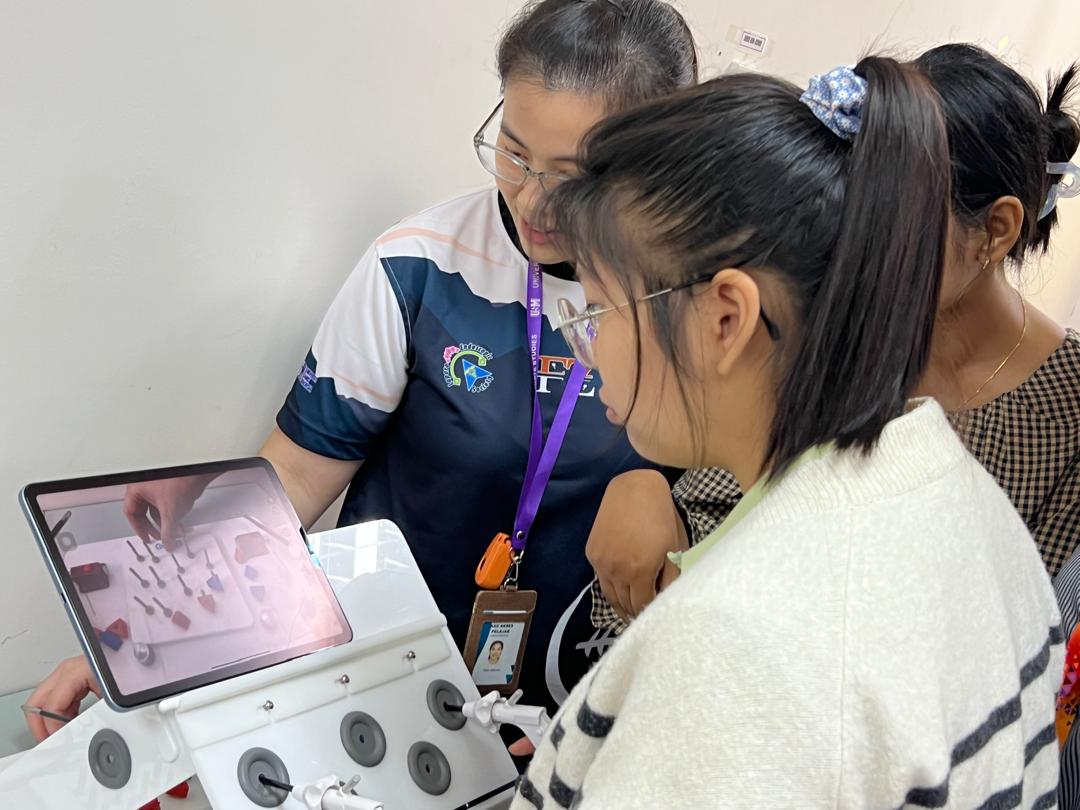
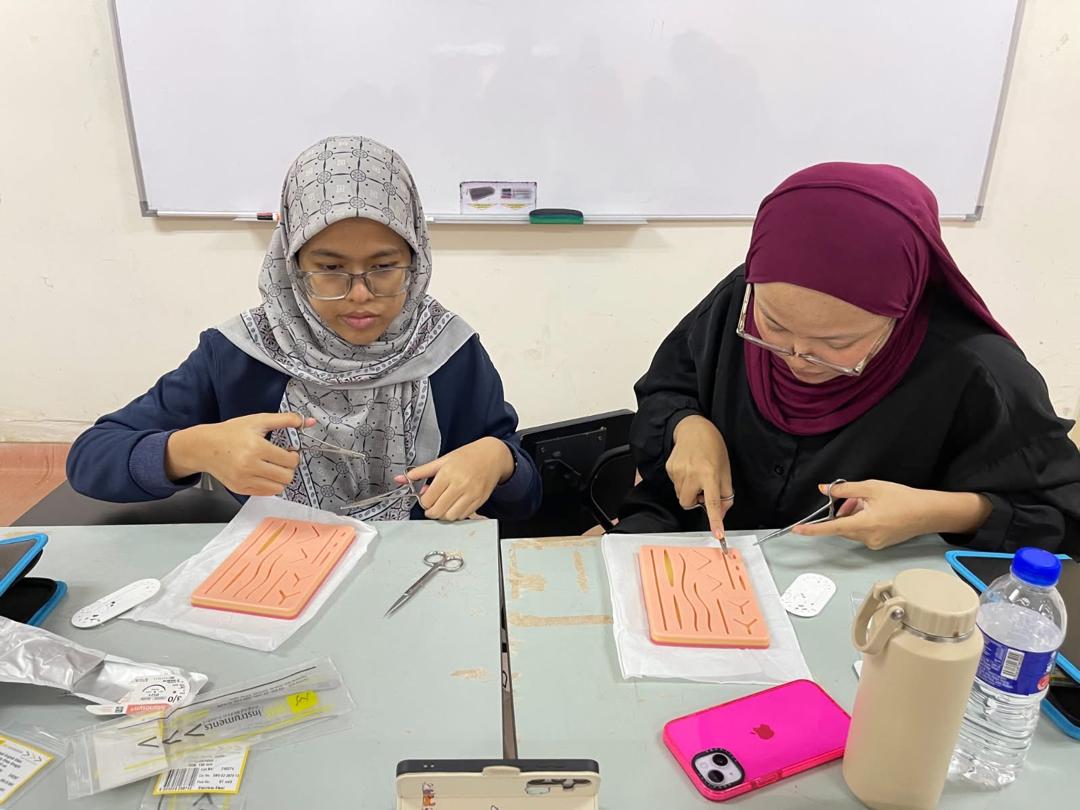
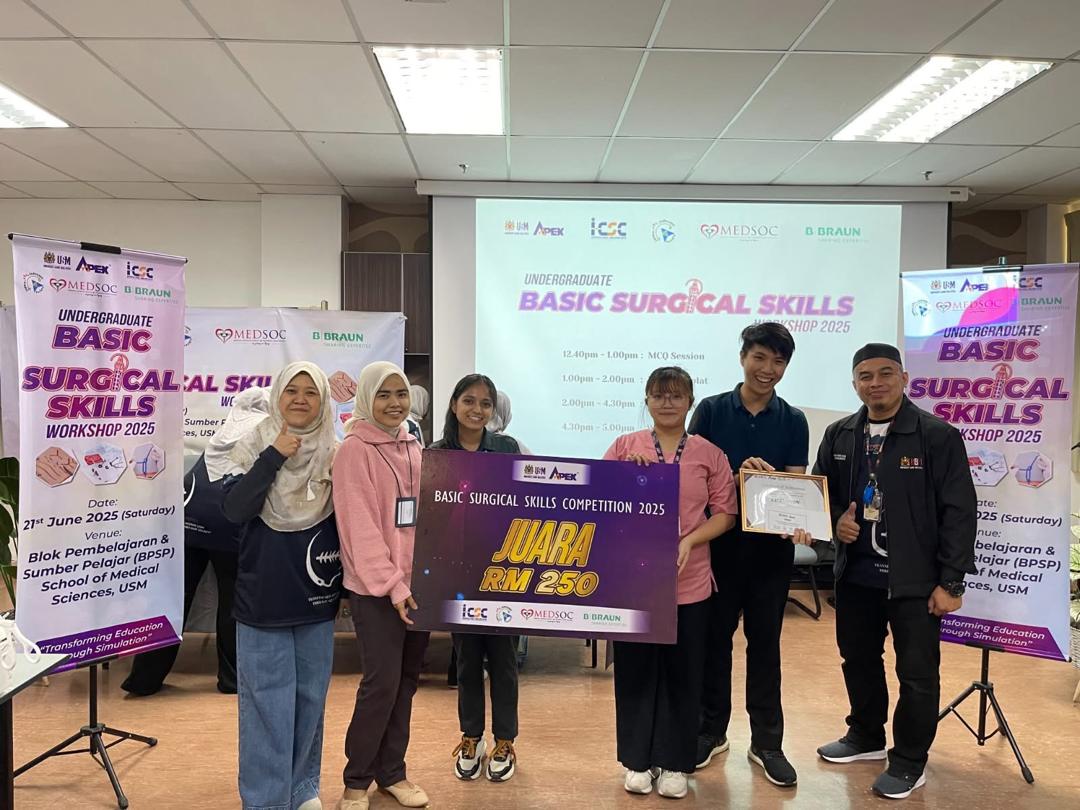
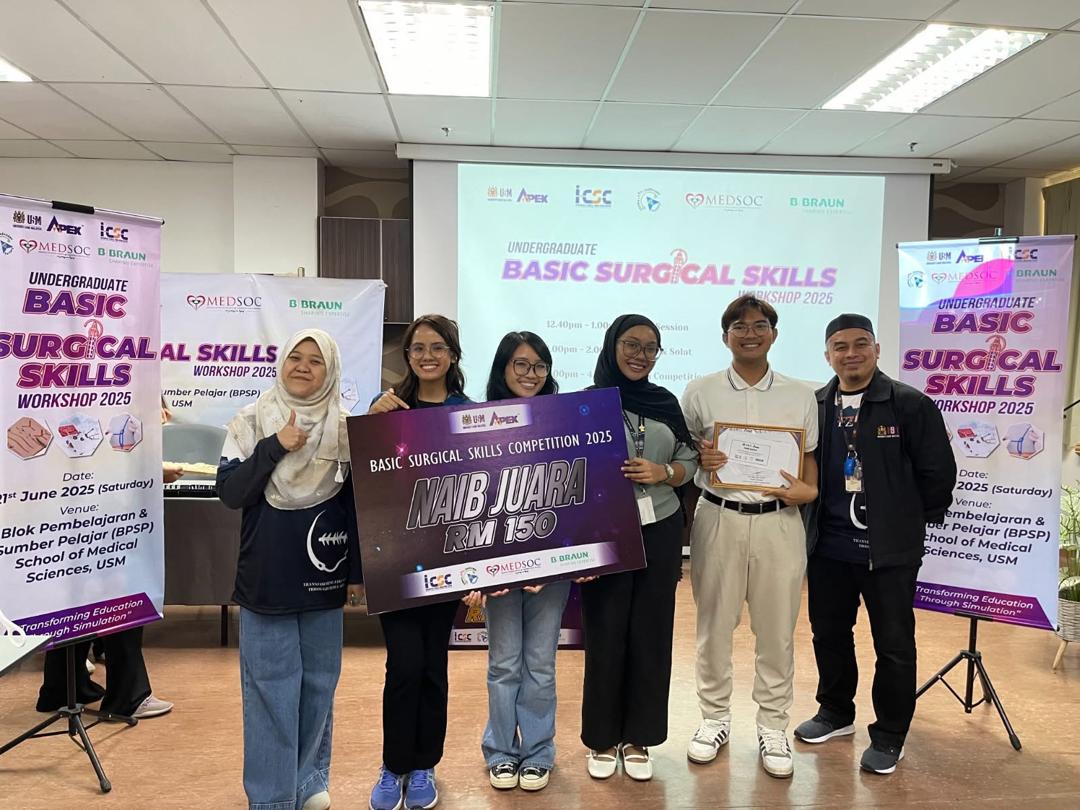
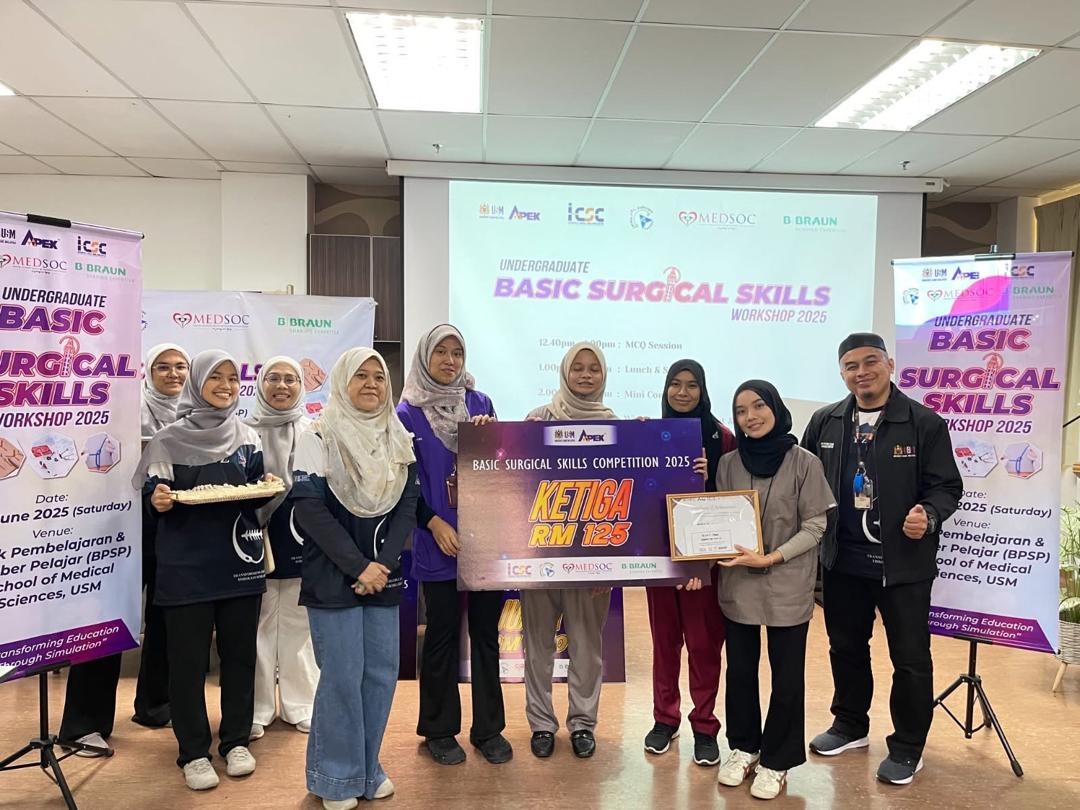
The Integrated Clinical Simulation Centre (i‑CSC) conducted an Undergraduate Basic Surgical Skills Workshop designed to introduce medical students to essential hands‑on skills required in early clinical training. This workshop supports the PPSP undergraduate medical curriculum and provides structured exposure to fundamental surgical techniques in a safe, simulation‑based environment.
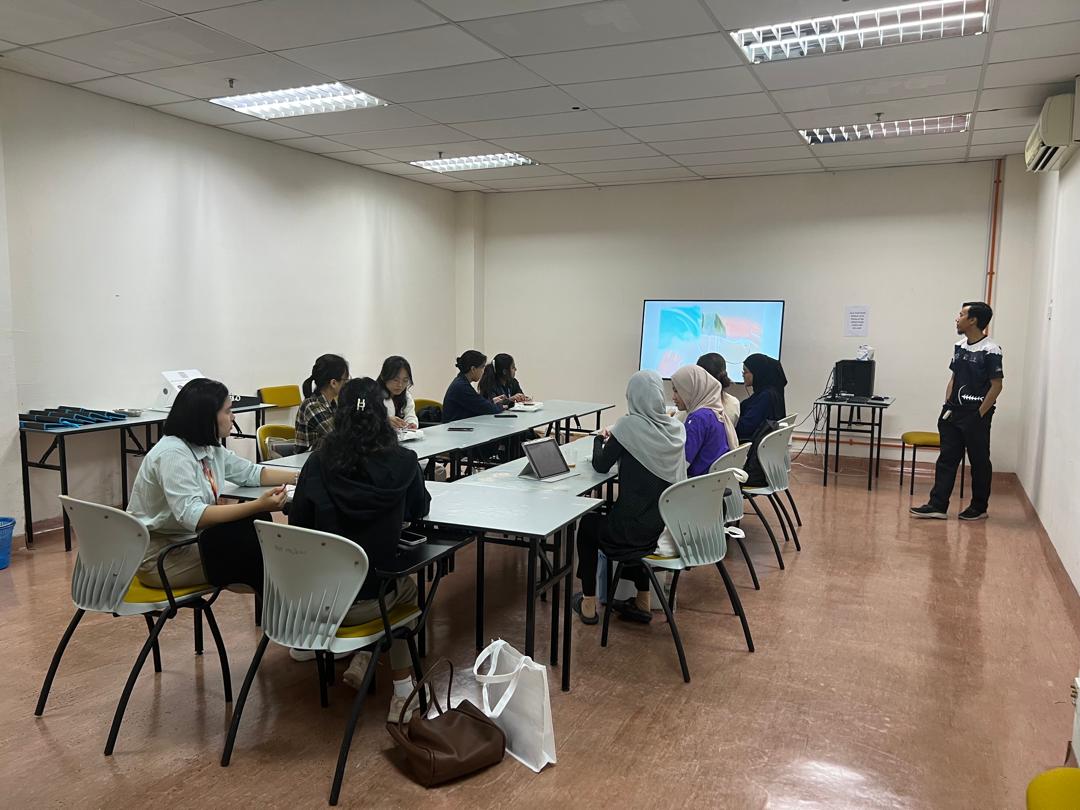
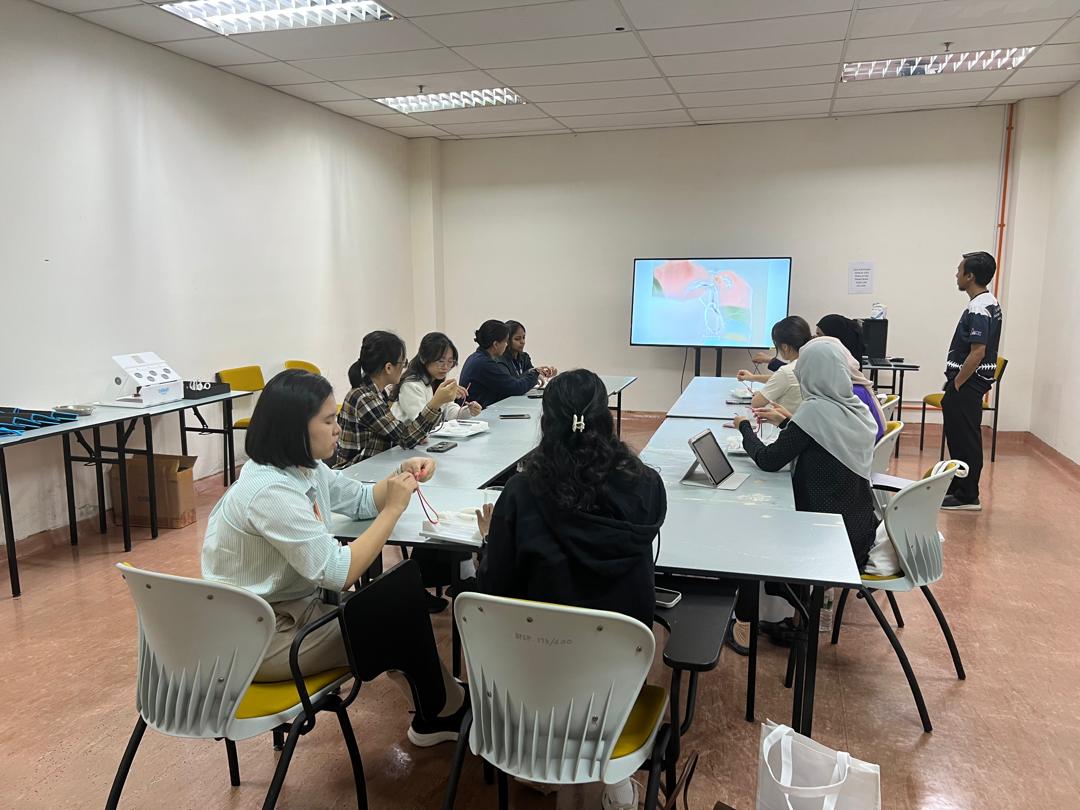
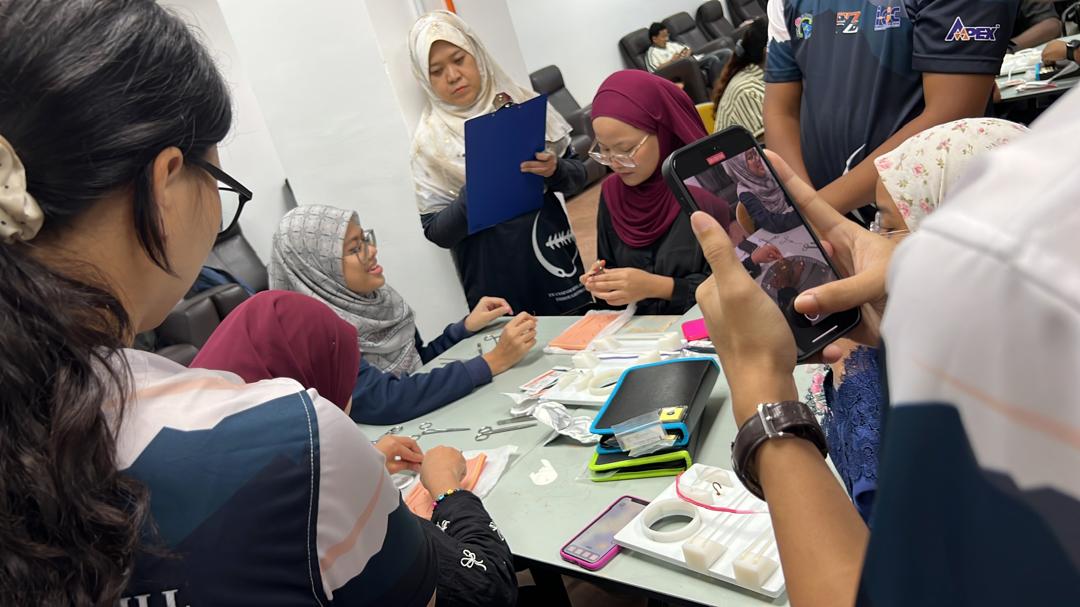
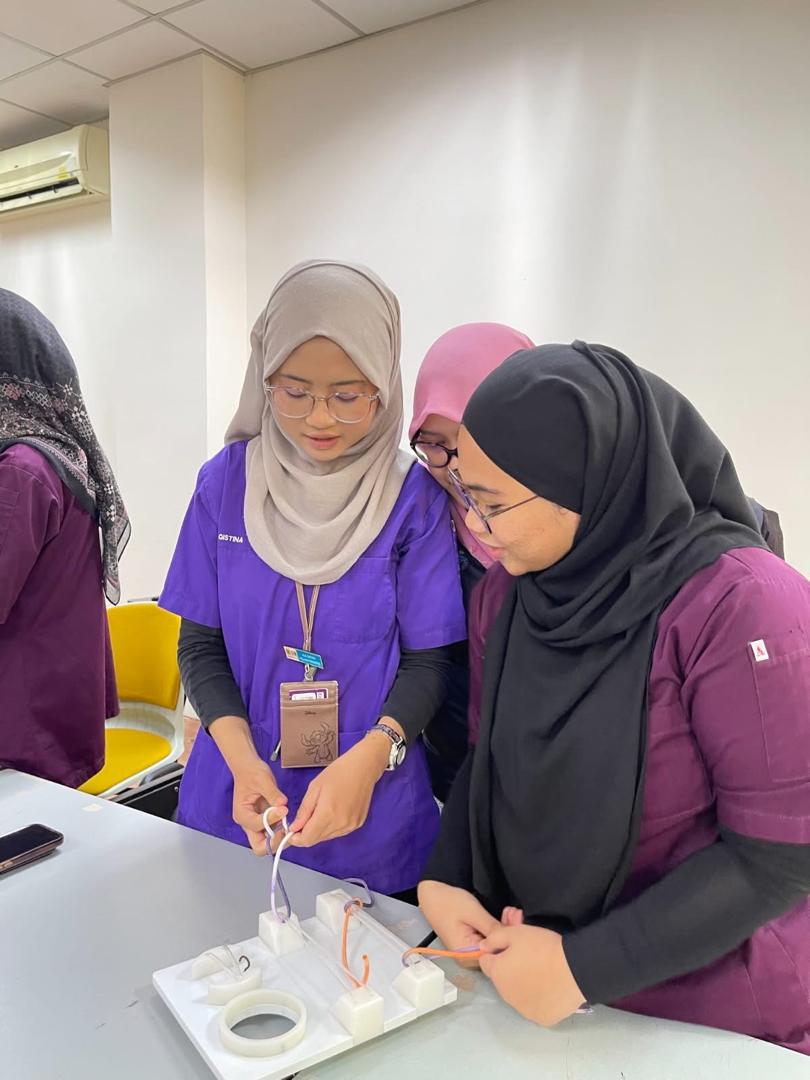
The session aimed to help students develop confidence, dexterity, and correct technique through guided practice using task trainers and instrument stations. Participants rotated through several skill stations under the supervision of the trained facilitators.
Students were also trained on ergonomics, instrument control, and safe procedural behaviour — crucial foundational skills before entering surgical postings or clinical rotations.
Throughout the workshop, facilitators provided real‑time feedback, coaching students on hand positioning, tension control, and suturing accuracy. The structured practice allowed students to repeat tasks until they achieved improvement and consistency.
This workshop highlights i‑CSC’s commitment to supporting undergraduate medical education through simulation‑based skill development, ensuring that students enter clinical environments with greater readiness and confidence.
Target Population: Medical Staff, Non‑Medical Staff & Community Members
Date: 7 October 2025
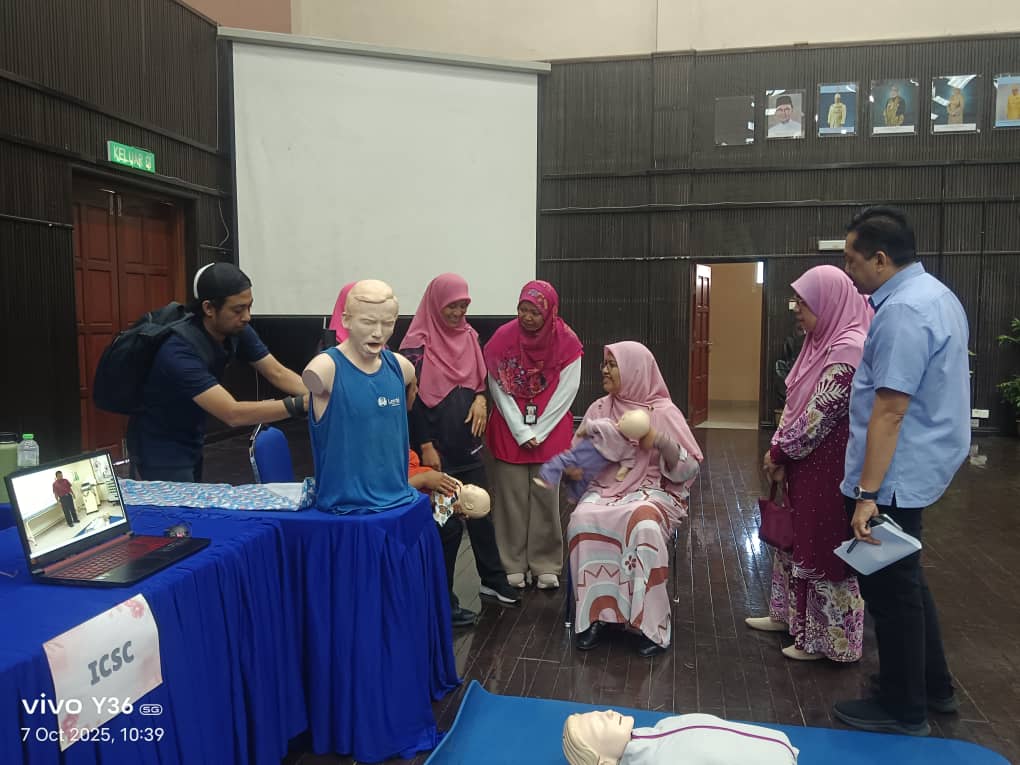
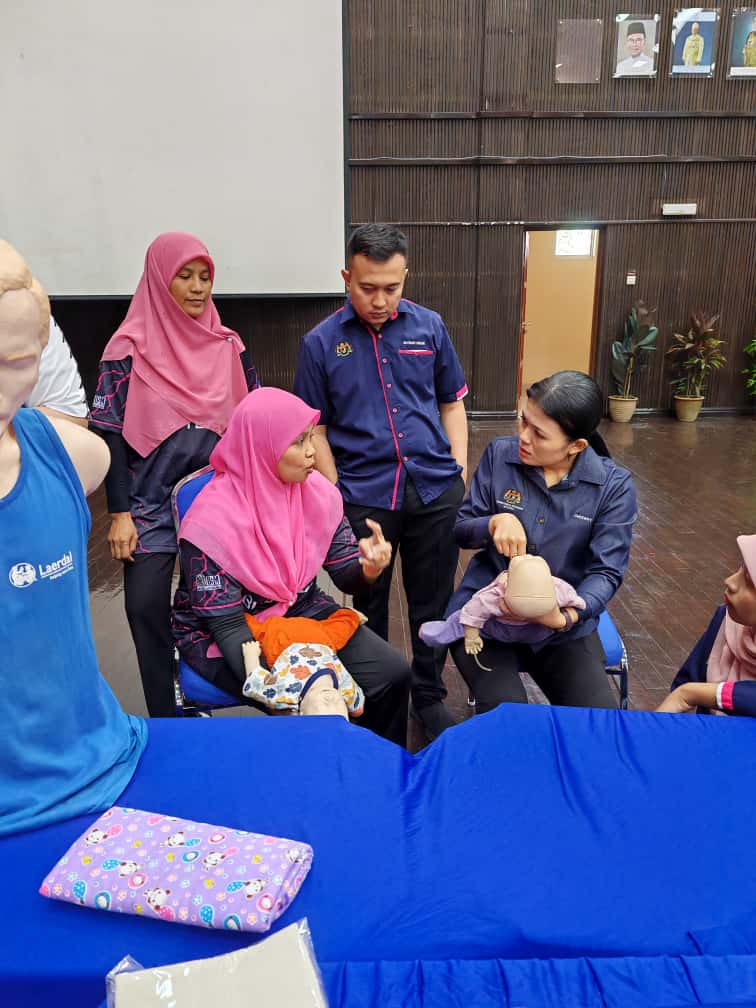
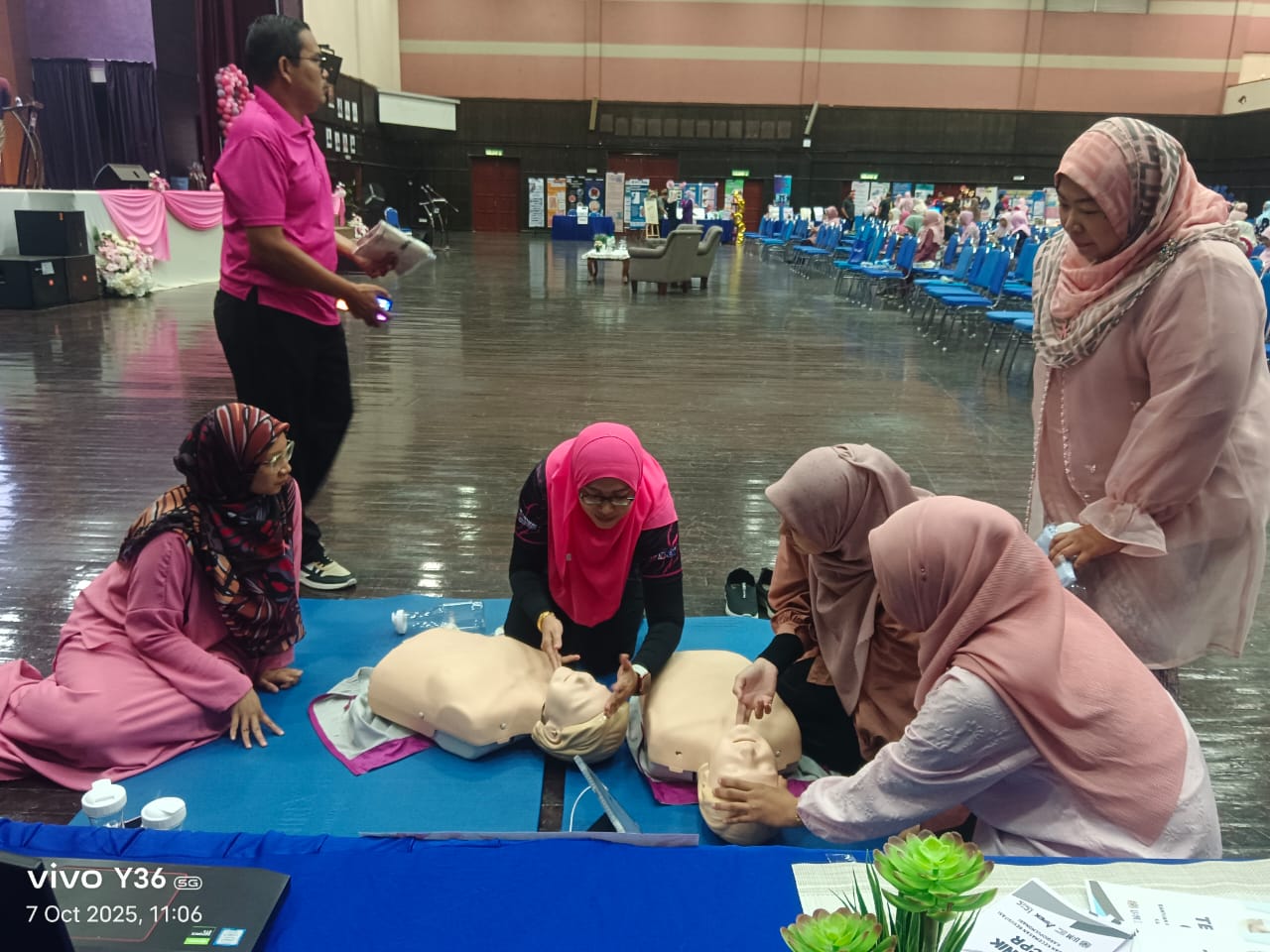
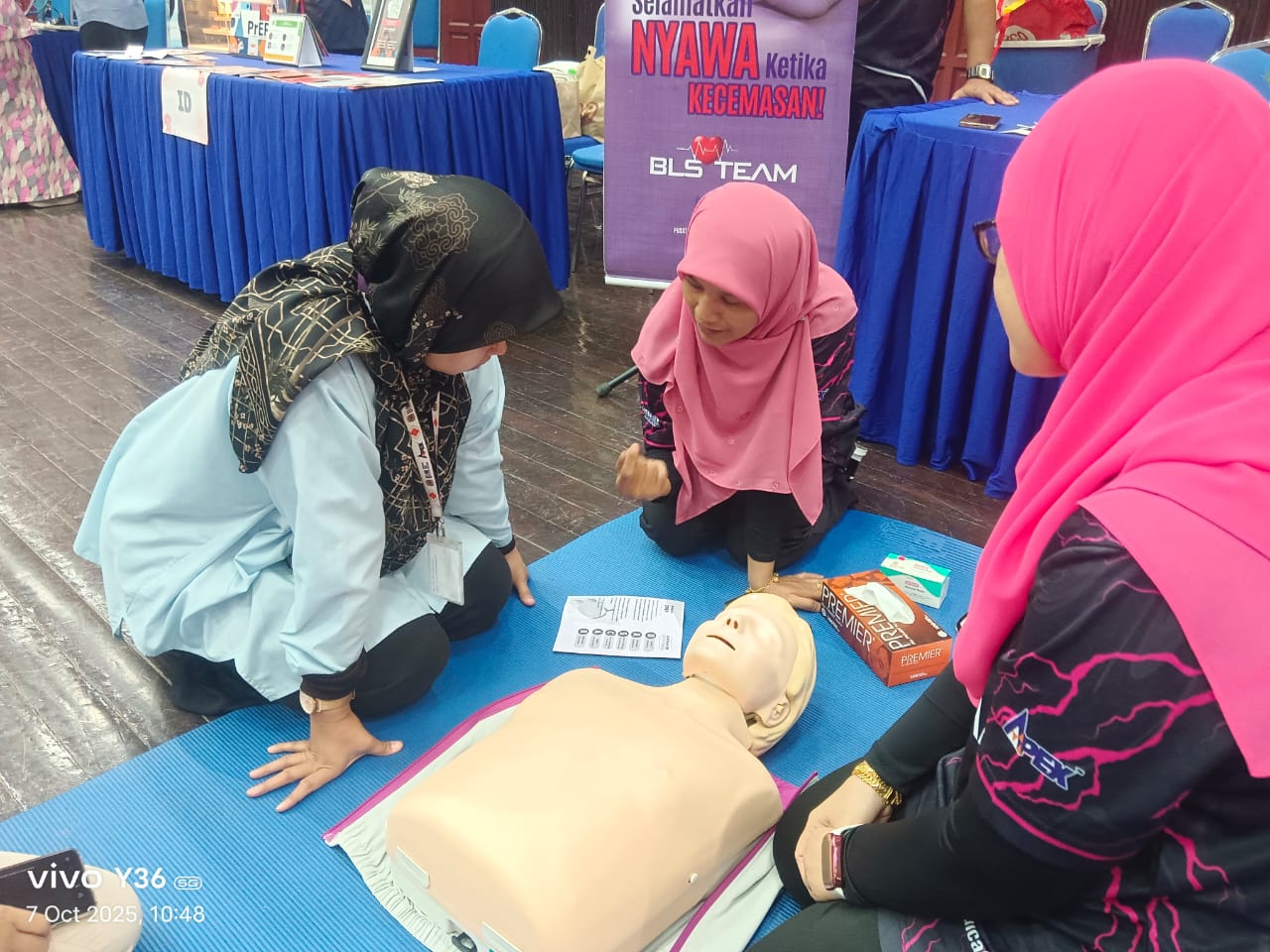
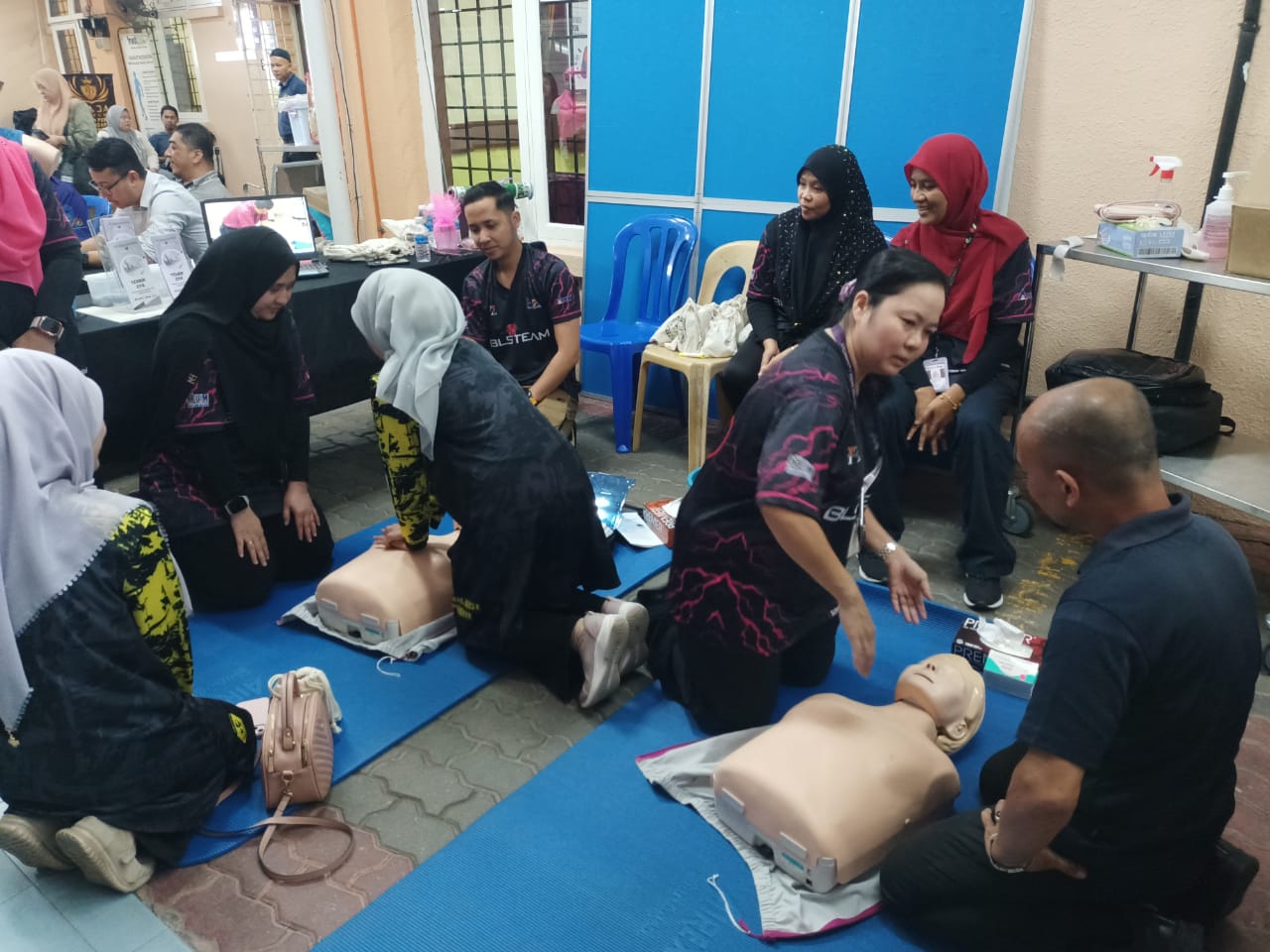
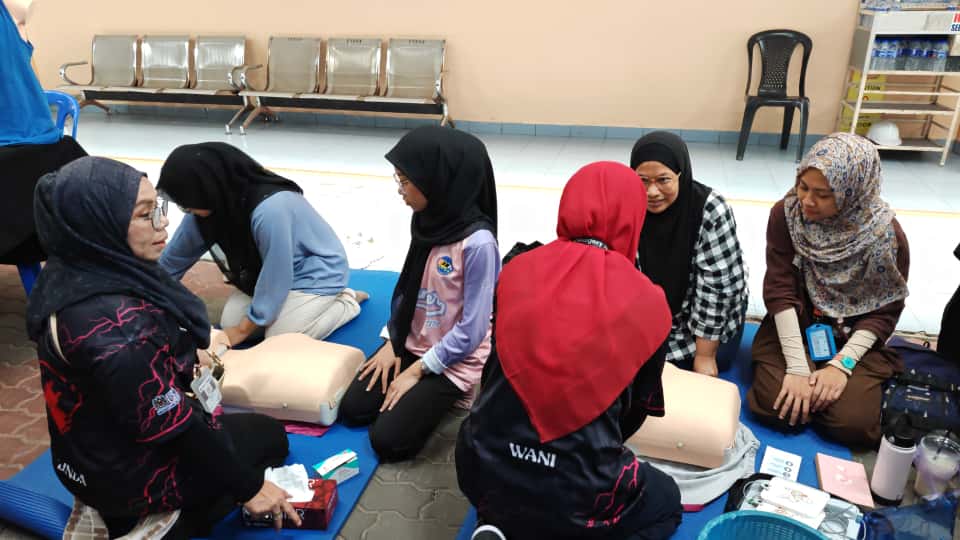
The Integrated Clinical Simulation Centre (i‑CSC) participated in Program Pink October HPUSM by operating a Basic Life Support (BLS) training booth to promote essential lifesaving skills among HPUSM staff and the surrounding community. This initiative aligned with HPUSM’s focus on early emergency response, workplace readiness, and public health awareness.
Throughout the event, the i‑CSC team conducted hands‑on BLS demonstrations and practice sessions covering:
Participants were able to practise on high‑fidelity adult and infant manikins, enabling realistic feedback on compression depth, rate, and technique.
This inclusive approach ensured that both HPUSM personnel and members of the public gained exposure to essential emergency response skills, contributing to a safer workplace and a better‑prepared community.
The i‑CSC team provided structured guidance and real‑time coaching, reinforcing correct CPR mechanics and safe AED use. The engagement also strengthened awareness of the importance of immediate bystander intervention in life‑threatening situations.
By supporting Program Pink October, i‑CSC continues its commitment to simulation‑based outreach, public safety education, and the empowerment of individuals with practical, lifesaving knowledge.