Next Generation Sequencing (NGS)

Next-Generation Sequencing (NGS) is a high-throughput DNA sequencing technology that allows rapid and cost-effective analysis of large genomes. Unlike traditional Sanger sequencing, NGS processes millions of DNA fragments simultaneously, enabling whole-genome, exome, transcriptome, or targeted sequencing.

Key Features of NGS:

  • Massively Parallel Sequencing – Enables sequencing of billions of DNA fragments at once.

  • High Speed & Scalability – Delivers results faster and cheaper than older methods.

  • Wide Applications – Used in genomics, cancer research, infectious disease studies, pharmacogenomics, and precision medicine.

  • Versatility – Supports whole-genome sequencing (WGS), exome sequencing, RNA-Seq, ChIP-Seq, and metagenomics.

NGS has revolutionized biomedical research, diagnostics, and personalized medicine by providing deep insights into genetic variations, gene expression, and disease mechanisms.

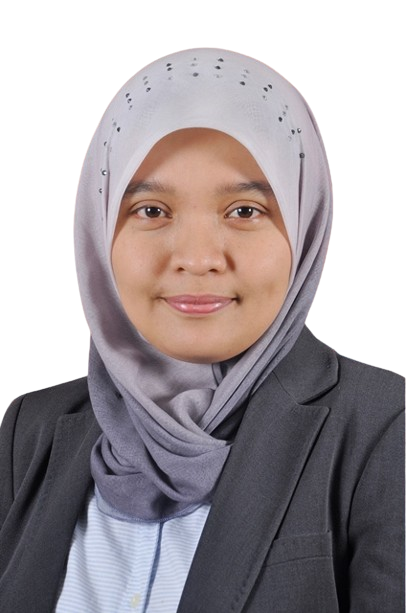
  • Dr Norasikin Mohd Nafi

    PIC Lecurer (NGS)

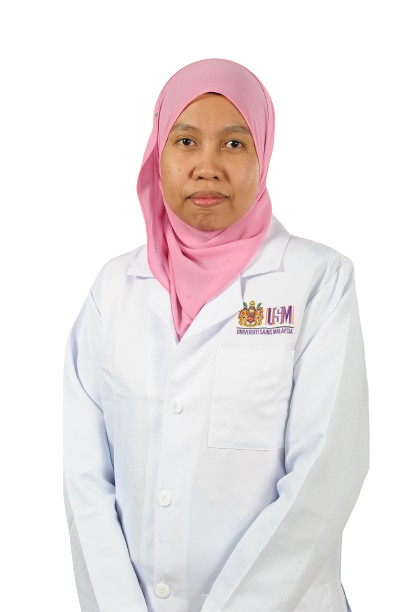
  • Associate Prof. Dr. Md Salzihan Md Salleh

    Unit Coordinator (NGS)

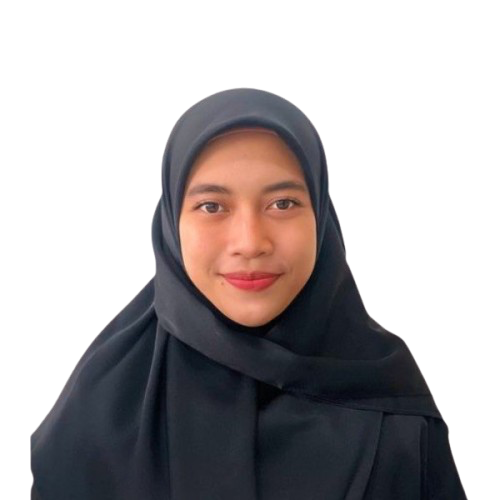
  • Associate Prof. Dr. Sharifah Emilia Tuan Sharif

    Assistant Coordinator 1

  • Associate Prof. Dr. Wan Faiziah Wan Abd Rahman

    Assistant Coordinator 2

  • Pn Nurul Aini Samsuddin

    Supervisor (NGS)

  • Cik Normayazi Mohemed Ali

    PIC Medical Laboratory Technologist (NGS)

  • Pn Adani Shafwan

    PIC (Research)

  • En Ahmad Talha Mohamad Yunus

    PIC (Research)

Read more …Next Generation Sequencing (NGS)

Fluorescence Insitu Hybridisation

Fluorescence In Situ Hybridization (FISH) is a molecular cytogenetic technique that uses fluorescent probes to detect and localize specific DNA or RNA sequences within cells or tissues. It allows visualization of genetic abnormalities, gene expression, and chromosomal structure under a fluorescence microscope.

Key Features of FISH:

  • High Specificity – Probes bind to complementary DNA/RNA sequences.

  • Spatial Resolution – Preserves tissue/cell architecture while detecting genetic material.

  • Applications – Used in cancer diagnostics (e.g., HER2 testing), prenatal testing (aneuploidy detection), microbial identification, and research (chromosomal abnormalities).

  • Types – Includes DNA FISH, RNA FISH (for gene expression), and chromosome painting.

FISH is a powerful tool in genetics, pathology, and research, providing precise genomic information at the cellular level.

  • Dr Aidy Irman Yajid

    Unit Head (FISH)

  • En. Mohd Zaki Zainon

    Unit Supervisor

  • Pn. Ummi Atikah Ayub

    Medical Laboratory Technologist (FISH)

  • Pn. Adani Shafwan

    PIC Research (FISH)

Available FISH tests
FISH (FFPE) Tissue (Lymphoma) Cmyc/ IgH
FISH (FFPE) Tissue (Soft Tissue Tumor) MDM2/ CDK4
FISH (FFPE) Tissue (Brain) 1p19q

Read more …Fluorescence Insitu Hybridisation