Diagnostic Services
Microbial Identification
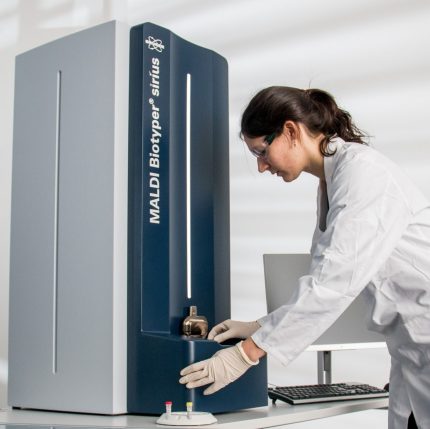
Bruker MALDI Biotyper® Sirius (MALDI-ToF MS)
At the Department of Microbiology, we leverage cutting-edge technology for precise microbial identification through the Bruker MALDI Biotyper®. This system employs Matrix-Assisted Laser Desorption/Ionization Time-of-Flight Mass Spectrometry (MALDI-TOF MS) to analyze the unique protein fingerprints of microorganisms.
The process begins with a sample being ionized by a laser, producing a mass spectrum that serves as a distinctive molecular signature. The Bruker MALDI Biotyper® rapidly matches this signature against an extensive database of known microbial profiles, enabling accurate identification within minutes. This technology is not only fast and reliable but also cost-effective, making it an invaluable tool for clinical diagnostics, environmental monitoring, and food safety.
Our commitment to utilizing advanced methodologies like the Bruker MALDI Biotyper® ensures that we provide top-tier microbial identification services, supporting research and public health initiatives with precision and efficiency.
GeneXpert® MTB/RIF Ultra
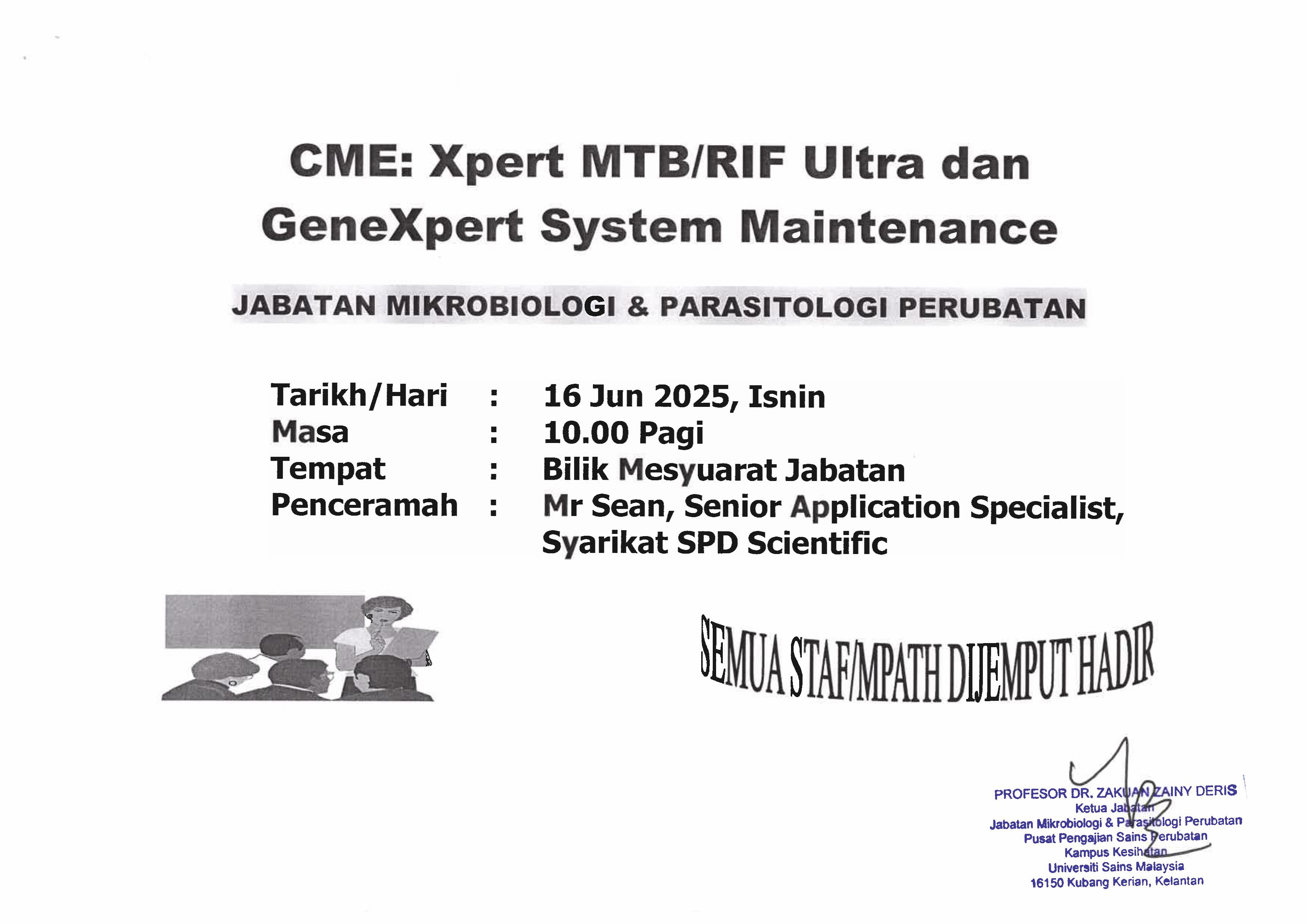
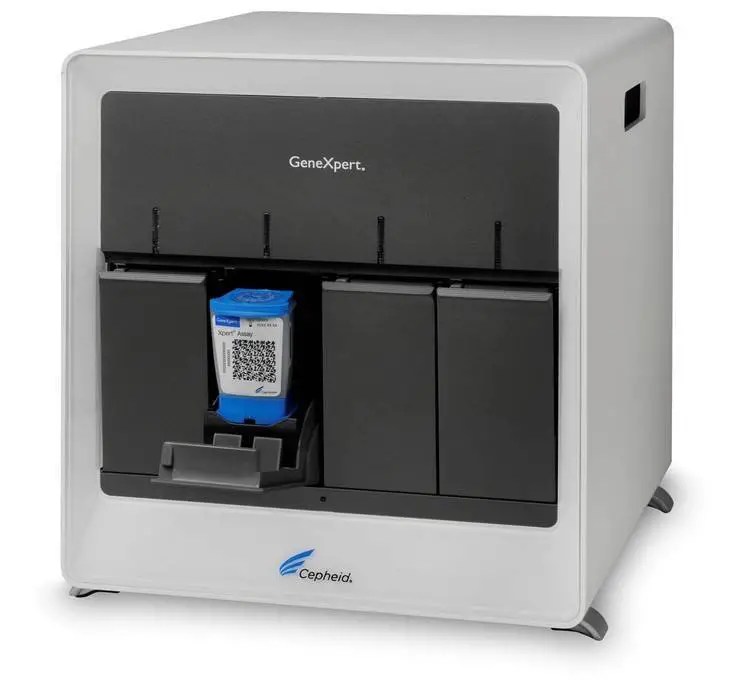
The Department of Microbiology utilizes GeneXpert® MTB/RIF Ultra system for the detection of Mycobacterium tuberculosis complex and Rifampin resistance-associated mutations. This state-of-the-art technology ensures rapid, accurate, and reliable results, which are crucial for the timely diagnosis and treatment of tuberculosis (TB).
The GeneXpert® MTB/RIF Ultra system revolutionizes TB diagnostics with its enhanced sensitivity and specificity. It employs real-time PCR to detect the presence of Mycobacterium tuberculosis DNA and Rifampin resistance-associated mutations directly from patient samples. This automated process significantly reduces the time to diagnosis compared to traditional methods, enabling faster initiation of appropriate treatment and improving patient outcomes.
Our commitment to utilizing the latest advancements in diagnostic technology, like the GeneXpert® MTB/RIF Ultra system, underscores our dedication to providing superior healthcare services. By offering this advanced testing, we ensure the highest standards in TB diagnosis and management, contributing to better control and prevention of this critical public health issue. Trust our Microbiology Department to deliver precise, timely, and reliable diagnostic solutions for tuberculosis and Rifampin resistance.
Antimicrobial Susceptibility Testing
VITEK® 2 System
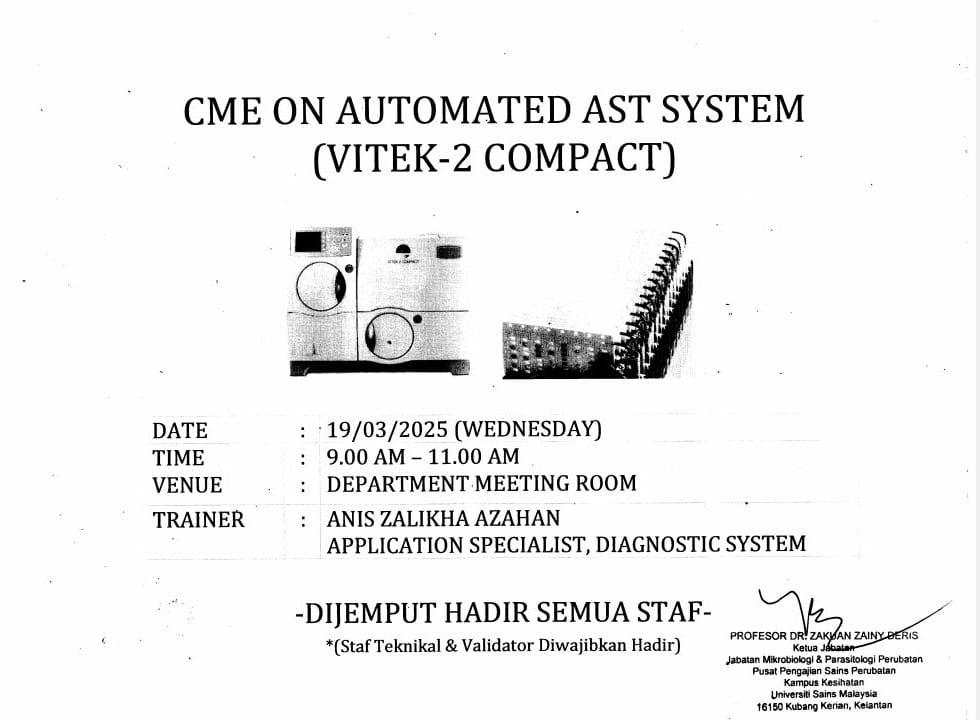
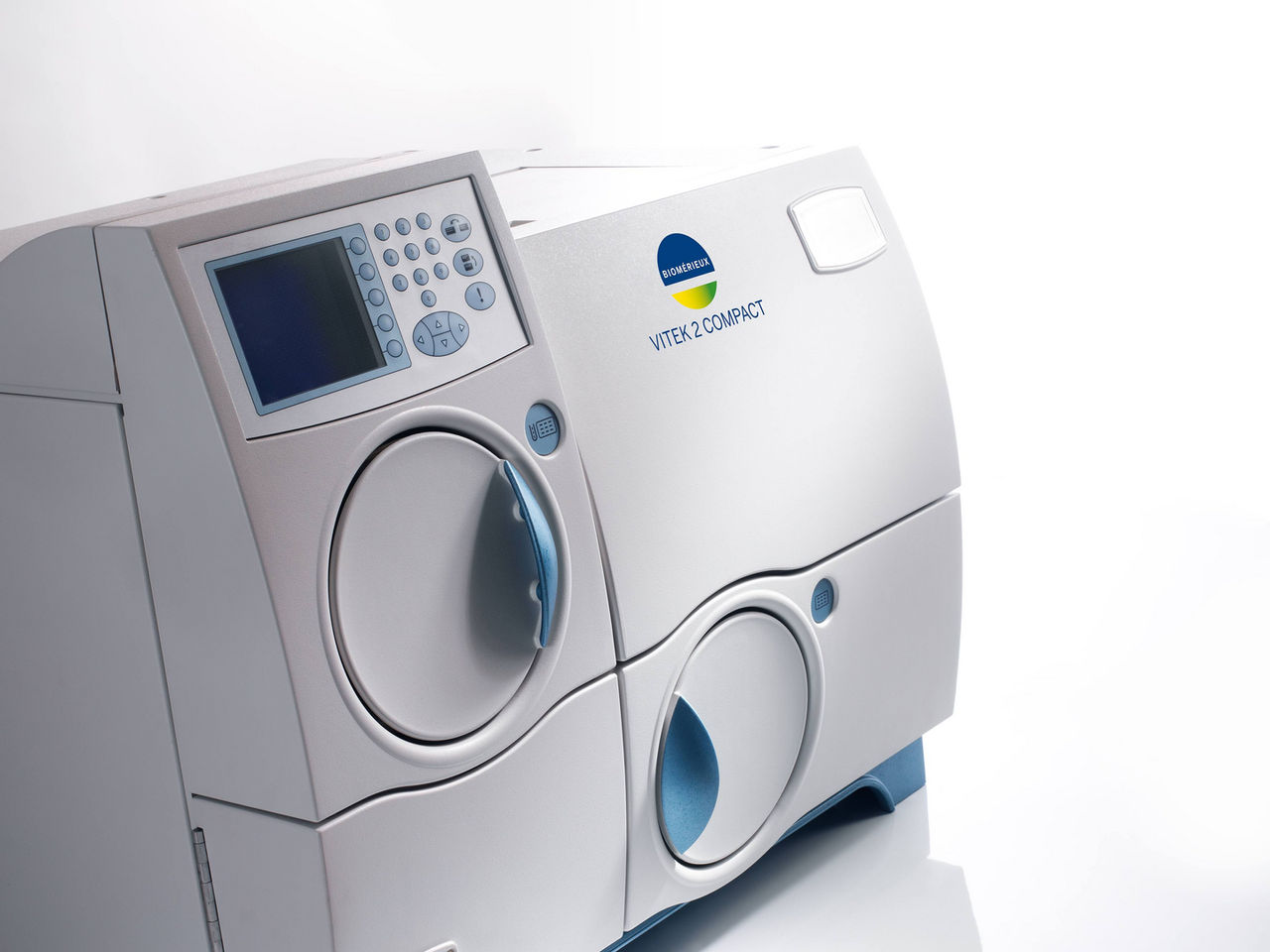
The Department of Microbiology utilizes the VITEK 2 system for advanced antimicrobial susceptibility testing (AST), ensuring effective treatment strategies against infectious diseases. VITEK 2 provides rapid, accurate, and automated analysis of a microorganism’s susceptibility to various antibiotics.
The process involves inoculating the VITEK 2 cards with the microbial sample. These cards contain wells with different antibiotics at various concentrations. The system monitors microbial growth in the presence of these antibiotics, determining the minimum inhibitory concentrations (MICs). This data helps in identifying the most effective antibiotics for treating specific infections.
VITEK 2's efficiency and precision are pivotal in clinical diagnostics, enabling healthcare providers to make timely and informed decisions about antibiotic therapy. Our use of VITEK 2 underscores our commitment to combating antibiotic resistance and enhancing patient care through state-of-the-art technology.
Serological Testing
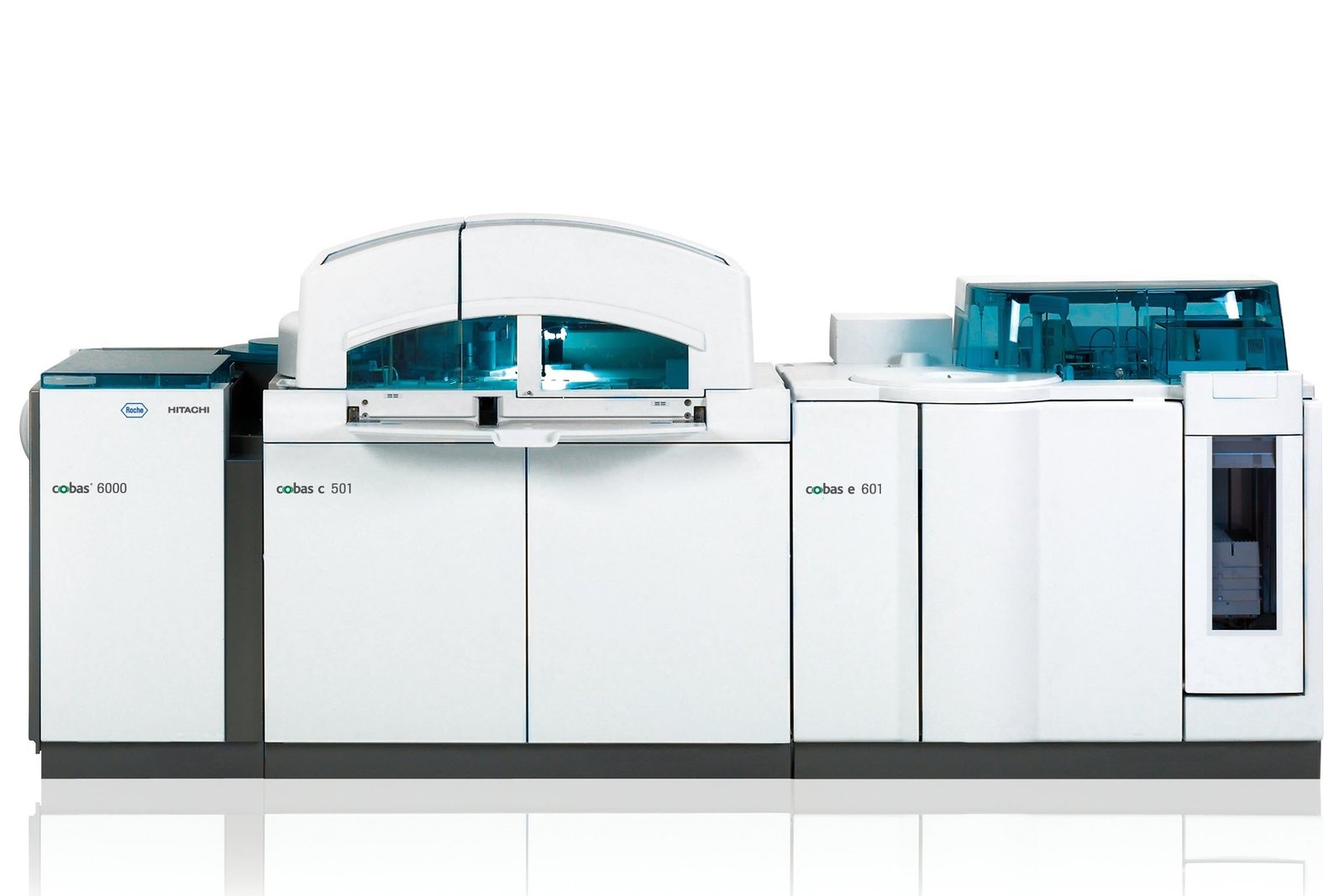
Cobas® 6000 Analyzer
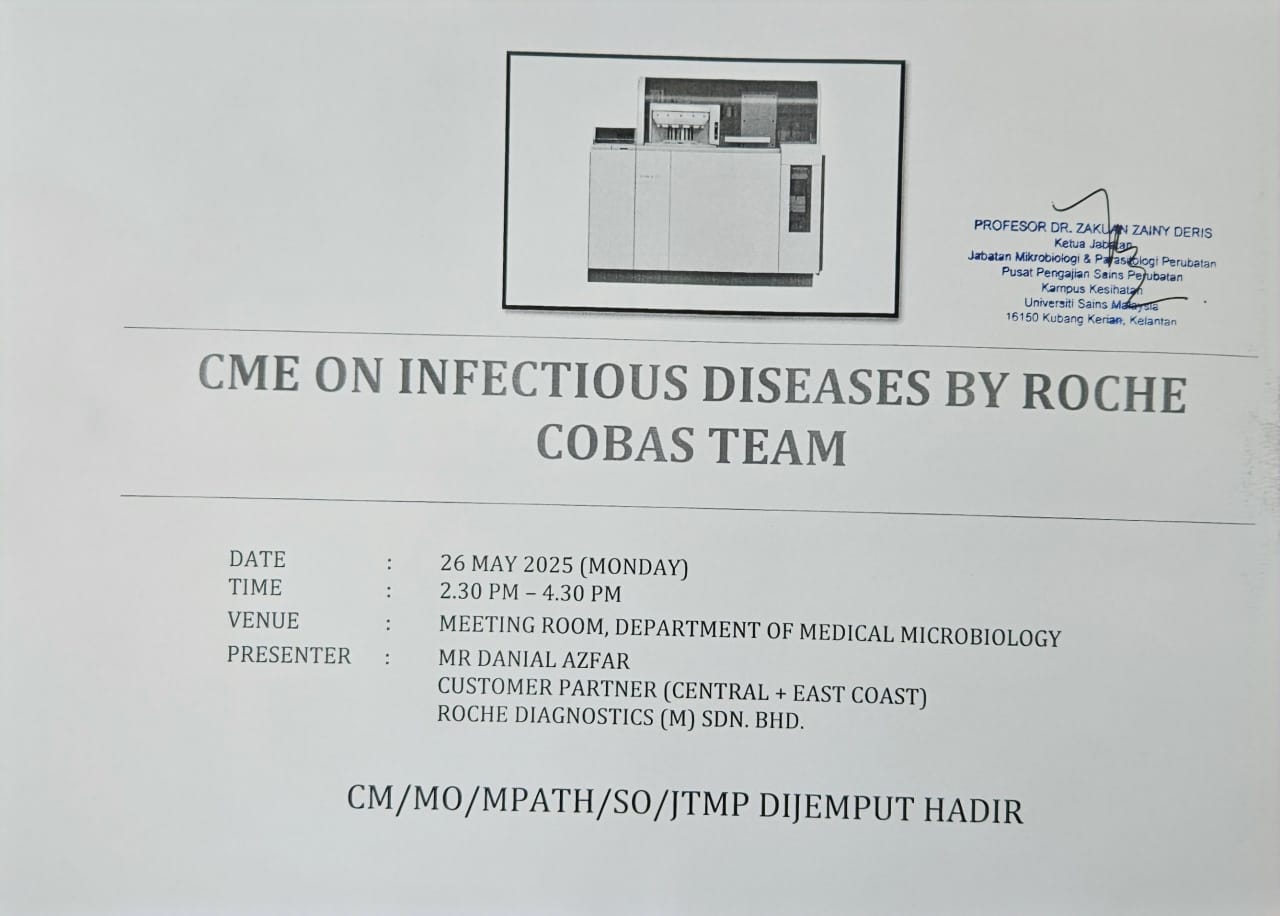
The Department of Microbiology utilizes the state-of-the-art cobas® 6000 analyzer series for electrochemiluminescence immunoassay (ECLIA). This advanced technology leverages electrochemiluminescence to deliver highly sensitive and specific detection of a wide range of biomarkers.
The cobas® 6000 analyzer series represents the pinnacle of diagnostic accuracy and efficiency. By integrating ECLIA, we can provide rapid, reliable, and precise diagnostic results, essential for the detection and monitoring of various conditions, including infectious diseases, hormonal imbalances, and cancer markers. This ensures that our diagnostic capabilities are not only broad but also exceptionally accurate, meeting the highest standards of modern healthcare.
Trust us to provide cutting-edge solutions for your microbiological diagnostic needs. Our commitment to utilizing the latest technology ensures enhanced patient care and outcomes, making our department a leader in diagnostic excellence. Explore the advanced ECLIA services we offer with the cobas® 6000 analyzer series and experience the future of microbiological diagnostics.
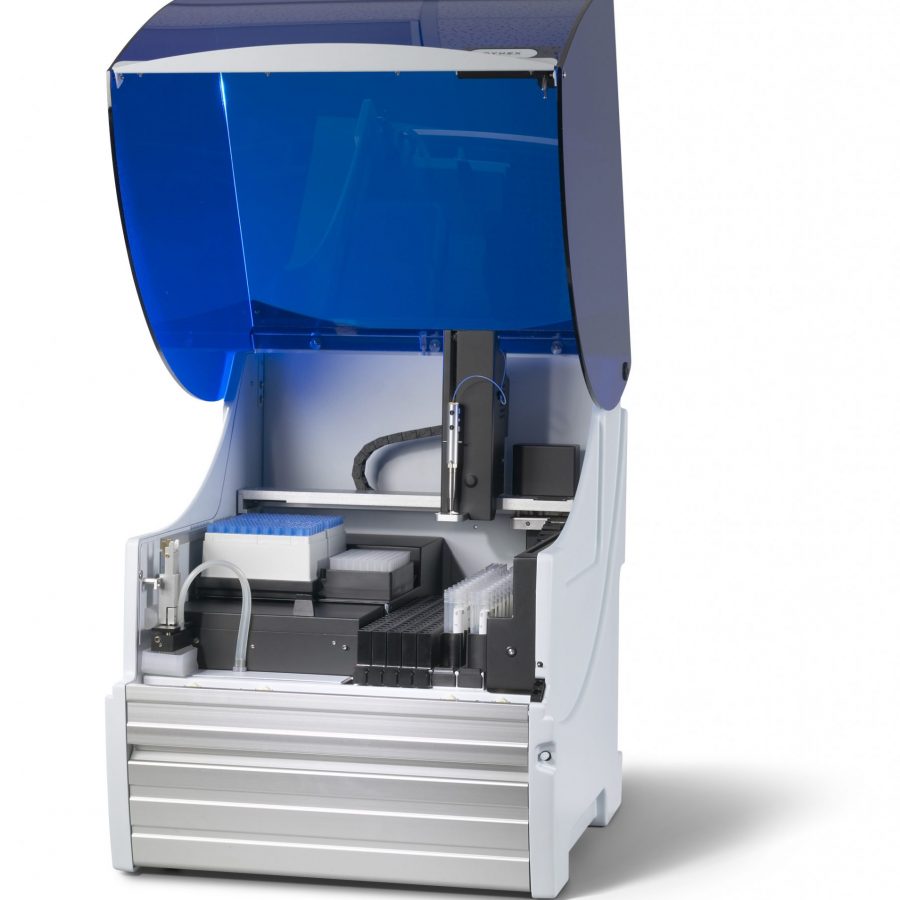
Dynex DS2® ELISA System
The Department of Microbiology utilizes the advanced Dynex DS2 ELISA System for enzyme-linked immunosorbent assay (ELISA). This technology provides highly sensitive and specific detection of various antigens and antibodies, making it an indispensable tool for a wide range of diagnostic applications.
The Dynex DS2 ELISA System is designed for efficiency and accuracy, automating the entire ELISA process from start to finish. This ensures consistent and reproducible results, reducing the potential for human error and enhancing the reliability of our diagnostic tests. Whether for detecting infectious diseases, monitoring immune responses, or conducting research, the Dynex DS2 system meets the highest standards of modern diagnostics.
Our commitment to utilizing cutting-edge technology like the Dynex DS2 ELISA System allows us to offer superior diagnostic services, ensuring timely and accurate results for our patients. Trust our Microbiology Department to provide exceptional care and advanced diagnostic solutions, leveraging the power of ELISA for comprehensive and precise microbiological analysis.
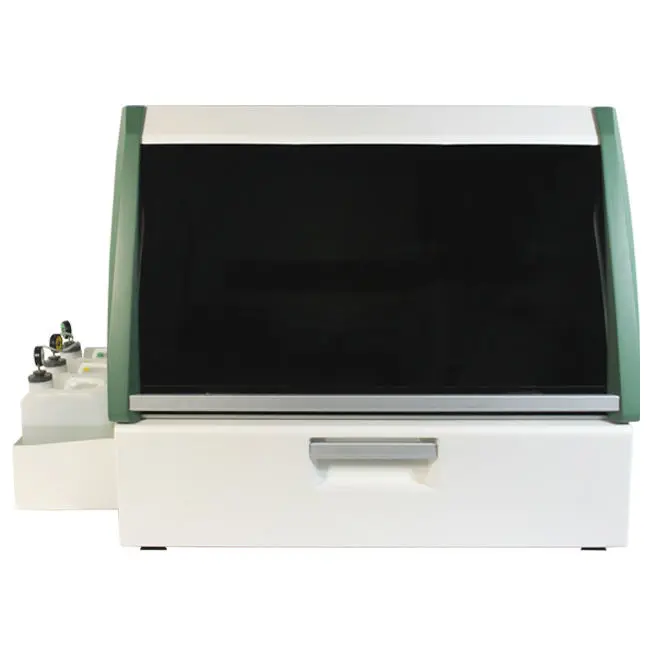
Adaltis Personal LAB Fully Automated Microplate Analyzer
The Department of Microbiology utilizes the Adaltis Personal LAB Fully Automated Microplate Analyzer. This cutting-edge technology offers highly sensitive and specific detection of a wide range of antigens and antibodies, making it a crucial component in modern diagnostics.
The Adaltis Personal LAB system automates the entire ELISA process, from sample preparation to result analysis, ensuring precision and consistency in every test. Its advanced features minimize human error and enhance the reliability of our results, allowing us to provide accurate diagnoses for conditions such as infectious diseases, autoimmune disorders, and more. The system's automation capabilities also improve efficiency, enabling faster turnaround times for critical diagnostic information.
Our dedication to employing the latest technological advancements, like the Adaltis Personal LAB Fully Automated Microplate Analyzer, underscores our commitment to excellence in patient care. By offering state-of-the-art ELISA services, we ensure our patients receive the most accurate and timely diagnostic results. Explore our comprehensive diagnostic solutions and experience the superior accuracy and efficiency provided by our advanced ELISA technology.
Molecular Detection
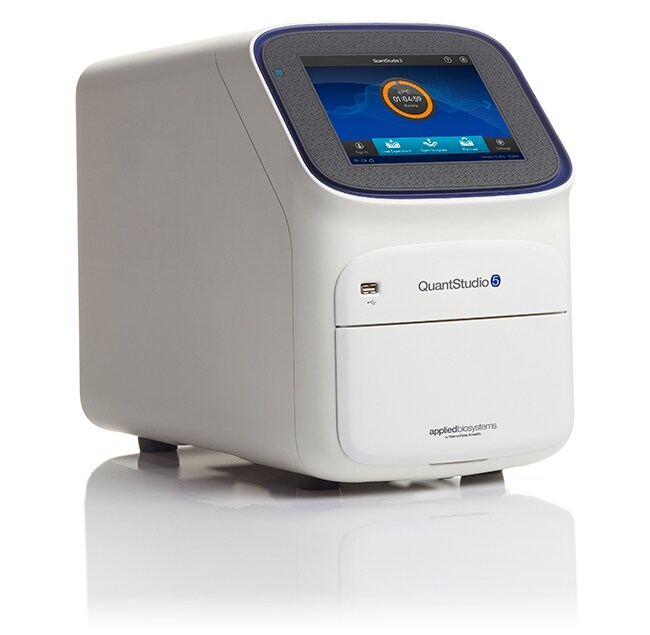
Applied Biosystems QuantStudio™ 5 Real-Time PCR System
The Department of Microbiology utilizes the QuantStudio™ 5 Real-Time PCR System for molecular detection. This state-of-the-art system enhances our ability to detect and quantify microbial DNA with exceptional accuracy and speed, ensuring timely and reliable diagnostic results.
The QuantStudio™ 5 Real-Time PCR System employs cutting-edge real-time polymerase chain reaction (PCR) technology, enabling the precise identification of microbial pathogens from various sample types. Its advanced features, including high sensitivity and specificity, allow for the rapid detection of even low levels of DNA. This capability is crucial for diagnosing infections, guiding treatment decisions, and monitoring pathogen load in patients.
Our commitment to using the QuantStudio™ 5 Real-Time PCR System reflects our dedication to providing superior diagnostic services. By leveraging this advanced molecular detection technology, we ensure accurate and prompt identification of microbial pathogens, contributing to better patient outcomes and more effective infection control. Trust our Microbiology Department to deliver high-quality diagnostic solutions, harnessing the power of real-time PCR for comprehensive microbial analysis.